Choosing a Roofing Material for Elizabeth Weather
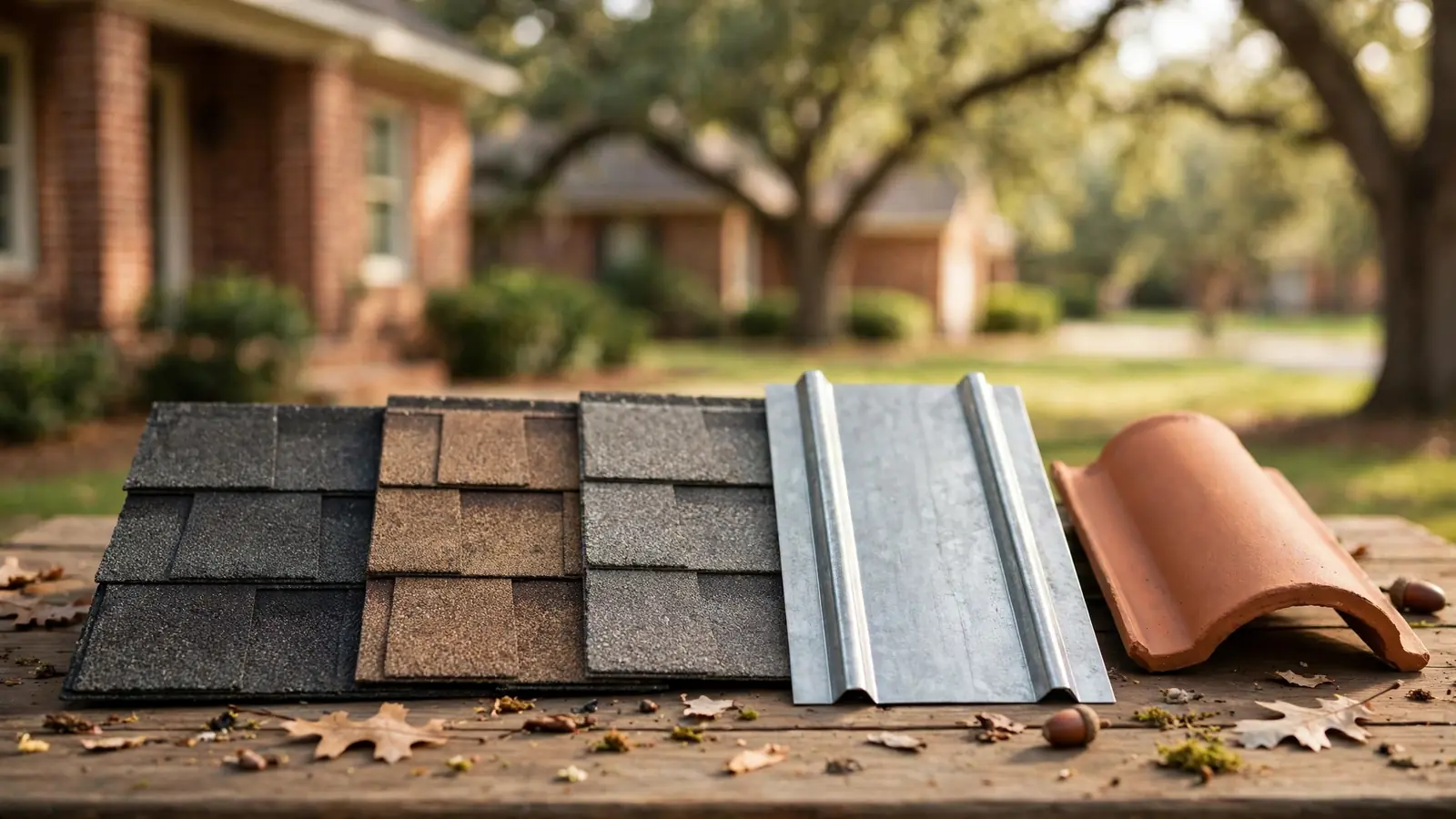
The right roofing material for Elizabeth is the one that matches your roof's slope and shape — and the hail, wind and heat it will meet.
The short version
Problem: three materials, three very different ways of handling New Jersey weather — and the wrong one on the wrong roof leaks.
Solution: match the material to the slope, the shape, the structure and the storm seasons, and let the inspection read the roof first.
When to call: when the roof is near the end of its life and the next covering is the decision.
Choosing a roofing material for New Jersey weather is a decision about the roof you have, not about the material in a catalogue. Asphalt shingles, metal and tile each handle hail, wind and heat differently, each suits a different slope and shape, and each needs its own details underneath. This guide compares the three the way the inspection does: slope, shape, structure and weather.
The short version is that shingles suit most Elizabeth homes, metal suits steep, simple roofs, and tile suits homes whose structure can carry it. The rest of this guide is how to tell which one your roof is.
The decision runs in order: slope and shape first, structure second, storm record third. The slope decides which coverings can go on the roof at all — a low slope needs a membrane, and a steep slope suits shingles or metal. The structure decides which coverings the house can carry — tile asks for weight capacity the frame may not have. And the storm record decides which covering will last — a roof that has taken hail season after hail season needs a covering built for it.
Start with the roof you have
The material decision starts with the roof itself, not with the material. Its slope, its shape, the deck beneath it and the structure that carries it — those four facts narrow the choice before any catalogue is opened. A steep, simple roof can carry almost any covering. A low-slope roof cannot carry shingles or standing seam at all. A roof with many valleys and dormers suits one material far better than another.
The inspection is what reads those four facts. It walks the slopes, checks the deck and the attic, and notes the shape — where the valleys run, where the skylights sit, how the roof meets the walls. The material is then matched to that roof, and the match is explained before anything is agreed.
The material decision starts with the roof itself, not with the material. Its slope, its shape, the weight its structure can carry, and the hail it has already taken — those are the facts the decision runs on. A low slope needs a membrane, whatever the catalogue says. A steep, simple roof suits metal or shingles. A roof whose structure cannot carry tile cannot have tile, whatever the street looks like.
What each material asks of the structure
Every covering asks something different of the house beneath it. Tile asks for weight capacity — it is heavy, and a structure built for shingles cannot always carry it without work. Metal asks for a deck that can hold clips and a ventilation plan that handles condensation. Shingles ask the least of the structure, which is one reason they cover so many Elizabeth homes.
The deck matters for all three. A soft or rotted deck will not carry a new covering well, whatever the covering is, and the attic check — daylight, damp, stained wood — gives the deck read before the material is chosen. The structure is the constraint; the material is the choice within it.
How each material is repaired
Repairs differ as much as the materials do. A shingle roof is fixed a course at a time: a lifted tab is re-sealed, a cracked shingle is swapped in its course, and the rest of the roof is untouched. That is the practical advantage of shingles — the repair is small and local.
A metal roof is fixed panel by panel, and a dented panel holds water in the dent. A tile roof is fixed at the underlayment and the flashing, because a tile roof that leaks is usually leaking beneath the tiles, not through them. The repair pattern is part of the choice: a covering that is easy to repair in one place is a covering that stays dry longer.
Storm performance, compared
In a hailstorm, the three materials fail differently. Hail bruises a shingle and cracks the mat beneath, and the bruise leaks months later. Hail dents a metal panel, and the dent holds water and ages faster than the flat panels around it. Hail can crack a tile, and a cracked tile lets water through to the underlayment beneath.
In a windstorm, the weak point is the fixing, not the material. Wind lifts shingle tabs where the seal has failed, works at the clips of a metal roof that was fixed rigid, and lifts tiles where the fastening has aged. In heavy rain, the slope does the work — water that runs off a steep roof never tests the joints the way water standing on a low slope does.
When the choice is already made for you
Sometimes the roof decides and the homeowner only confirms it. A low-slope roof needs a membrane — shingles and standing seam are both wrong for it, because water that stands finds every joint. A structure that cannot carry tile rules tile out, whatever the homeowner prefers. A roof with many valleys, dormers and skylights leans toward shingles, because each valley and each flashing detail is easier to work in shingles than in metal or tile.
Those constraints are not disappointments; they are the roof telling you what it is. The inspection names them plainly, and the material is chosen inside them rather than against them.
The decision, in order
The decision runs in order: slope and shape first, structure second, storm record third. The slope rules out what cannot work. The structure rules out what the house cannot carry. The storm record — the hail seasons and nor'easter seasons the roof has already met — shows what the next covering will have to stand up to.
Inside those three constraints, the choice is the homeowner's, and the plan is explained before anything is agreed. The material is a decision about the roof you have, not about the material in a catalogue.
The decision runs in order: slope and shape first, structure second, storm record third. The slope rules out the coverings that cannot go on the roof. The structure rules out the coverings the house cannot carry. The storm record rules out the coverings that will not last. What is left is the choice — and the plan names it, with the findings behind it, before anything is agreed.
The HOA and the street
Many Elizabeth subdivisions need the homeowners association's approval before a roofing material is changed, and the approval is part of the plan, not an afterthought. A change from shingles to metal, or to tile, changes the look of the house and the look of the street, and the association's rules say which changes need approval and what the approval packet must contain — a sample, a colour, and a profile, submitted while the plan is still being drawn.
The packet is the plan in miniature. The sample shows the material, the colour shows the street, and the profile shows the shape — standing seam, shingle-profile metal, or tile — against the roof it will cover. A packet submitted early is a packet decided early, and a material the association turns down is a plan that starts again. The inspection and the plan are drawn with the association's rules in hand, so the material chosen is a material the street will accept.
The look of the street is the reason the rule exists. A subdivision of shingle roofs keeps its look when the next roof is shingles, and changes it when the next roof is standing-seam metal in a bright colour. Neither is wrong — but the street is shared, and the association is the street's voice. A homeowner who chooses metal for its life and its hail record, and who takes the packet to the association early, is a homeowner whose plan survives the approval.
What the association cannot decide is the roof itself. The slope, the shape, the structure, and the storm record decide which coverings can go on the roof, and the association decides which of those the street will accept. The two decisions are made together: the inspection reads the roof, the plan names the coverings the roof can carry, and the packet takes the chosen one to the association. A plan that skips either step is a plan that stops halfway.
What to do, step by step
Measure the slope and shape
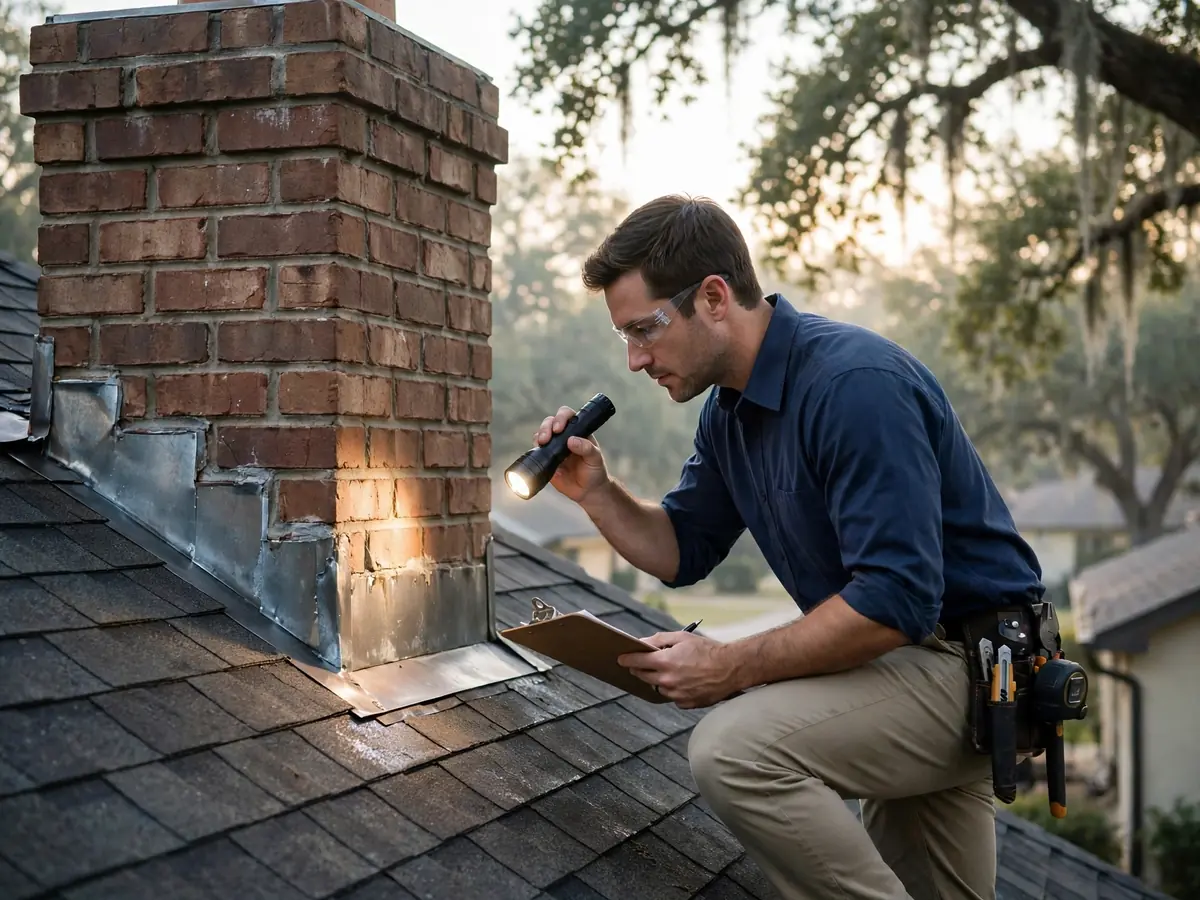
The inspection records the slope, the valleys, the dormers and the skylights — the facts that rule out what cannot work on this roof.
Check the structure and deck
The deck and the structure are checked, because the weight of tile and the fixing of metal both ask something of the house beneath.

List the constraints
The findings are laid out: what the slope rules out, what the structure rules out, and what the storm record demands.
Weigh the storm record
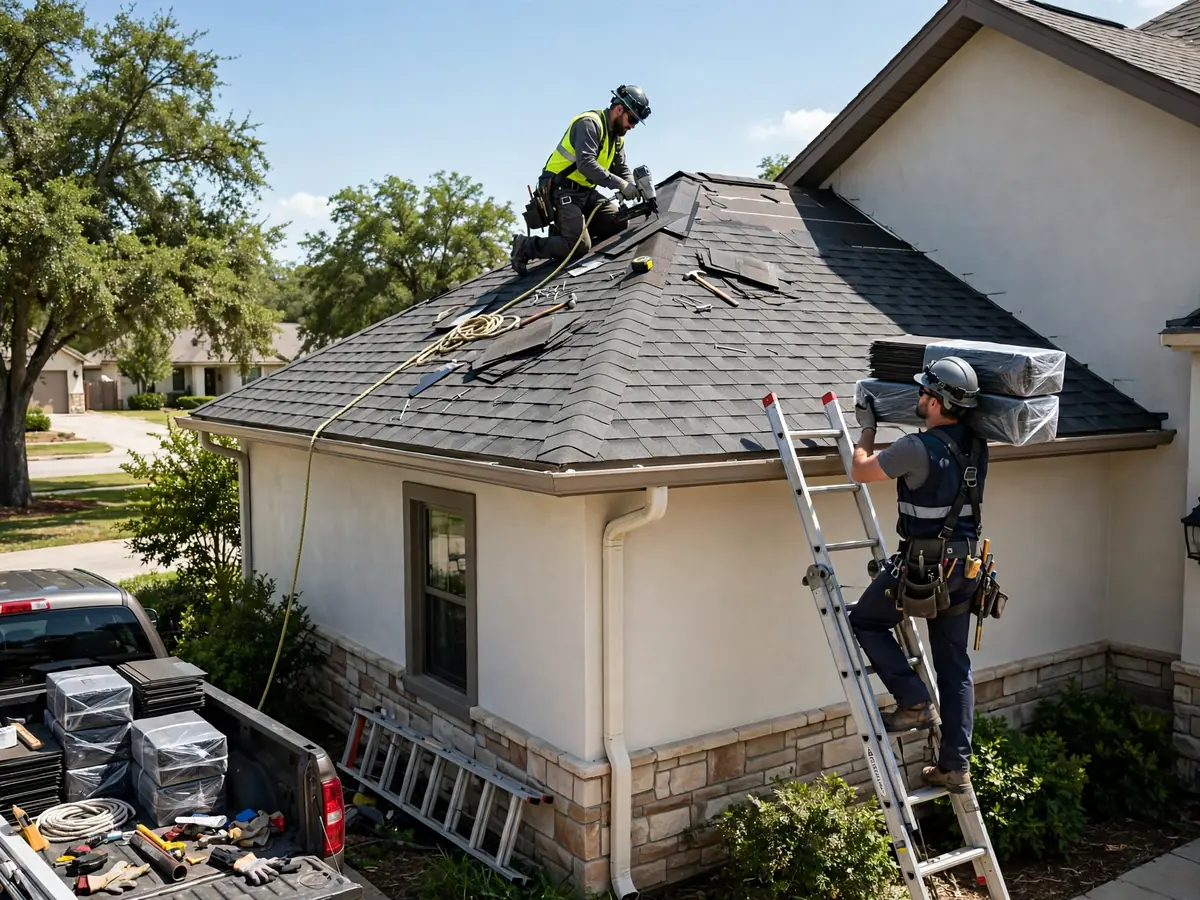
Hail, wind and heat are weighed for each material — how it fails, how it is repaired, and what the next seasons will ask of it.
Decide and plan
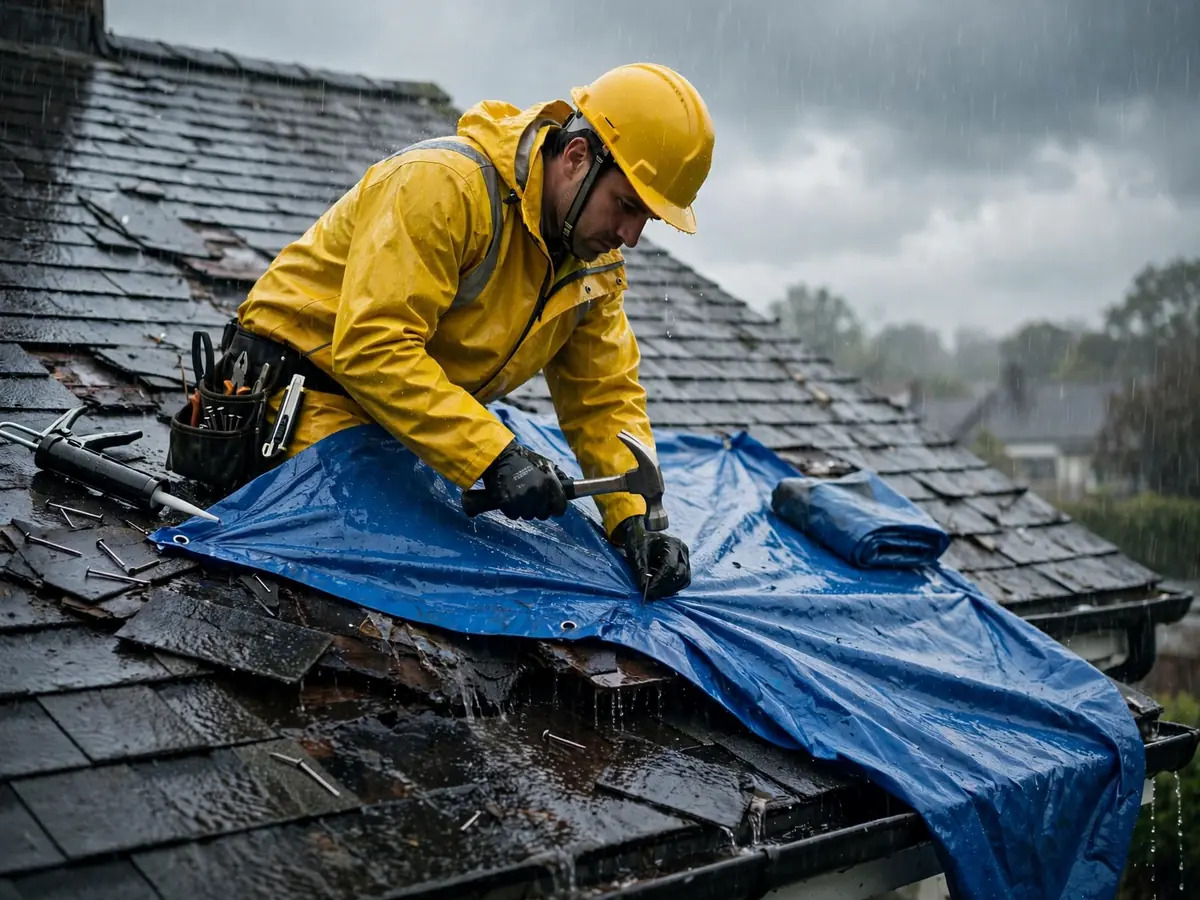
The material is chosen inside the constraints, and the plan is explained before anything is agreed.
Frequently asked questions
Straight answers to the questions Elizabeth area homeowners ask most about this guide.
Asphalt shingles cover more Elizabeth roofs than any other material. Architectural shingles hold their seal better in wind than three-tab shingles, and they are repaired a course at a time.
It suits steep-slope roofs well. Low-slope roofs and complex shapes need their own plan — the inspection of your roof's slope and shape gives the answer.
Tile is heavy, and the structure must carry it. The inspection checks the structure as well as the tiles, because the weight is part of the decision.
Spring hail bruises shingles and dents metal; summer heat dries asphalt and ages sealant; nor'easter wind lifts tabs and drives rain under flashing. The material is matched to the weather the roof will meet.
A sample, a colour, and a profile — the material, the colour against the street, and the shape of the covering on the roof. Submit the packet while the plan is still being drawn, so a material the association turns down is a plan that starts again early, not late.
Only if the structure can carry it. Tile asks for weight capacity the frame may not have, and the inspection reads the structure before naming tile as an option. A roof built for shingles needs a structural read before tile is on the table.
Roof question in the Elizabeth area?
Call now — we will connect you with an independent local roofing professional for an inspection and a clear plan.
Call NowTalk to a local roofing professional
One call connects you with a local professional for Elizabeth, Newark and the metro around them. Describe your roof — what you are seeing, where the problem shows, and when it started — and the visit is arranged from there.
Mon–Fri 7:00 AM–10:00 PM ET · Sat 8:00 AM–10:00 PM ET · Sun 7:00 AM–9:00 PM ET
Service area
Elizabeth · Newark · Linden · Rahway · Union · Hillside · Roselle · Roselle Park · Bayonne · Jersey City
Elizabeth Roofing Pros is a referral service connecting customers with local roofing professionals; it is not itself the service company.