Shingle Roofing in Elizabeth, NJ
Asphalt shingles cover more Elizabeth roofs than any other material, and for good reason: they suit the steep slopes of the metro's homes, they handle the heat, and they are repaired a course at a time when a storm lifts a tab. The two types on most roofs are architectural shingles — thick, layered, with a dimensional look — and three-tab shingles — thinner, flat, with a regular pattern.
Talk to a local roofing professional
One call connects you with a local professional for the Elizabeth area. Describe your roof — what you are seeing, and where — and the visit is arranged from there.
Mon–Fri 7:00 AM–10:00 PM ET · Sat 8:00 AM–10:00 PM ET · Sun 7:00 AM–9:00 PM ET
How shingle roofing works in Elizabeth area homes
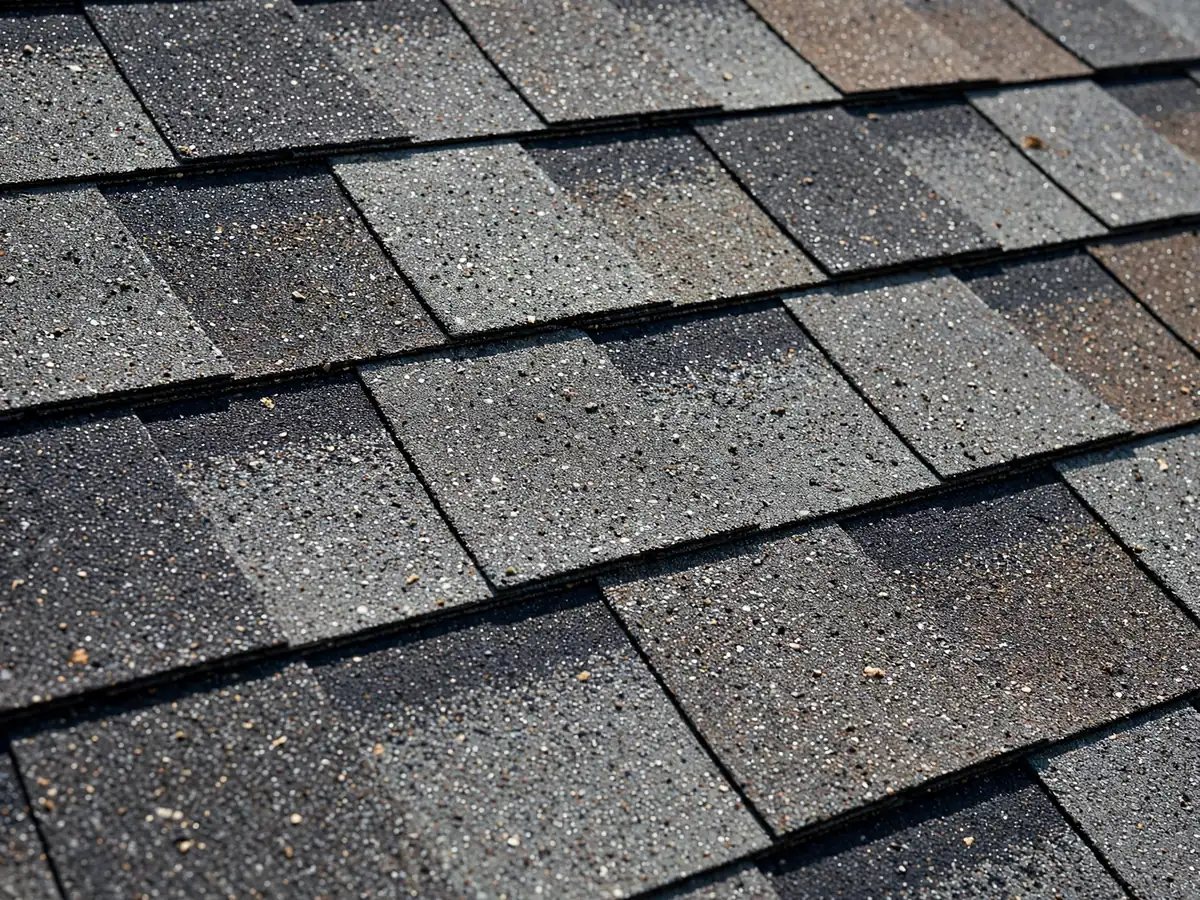
An asphalt shingle is a mat of fibreglass coated in asphalt and covered in mineral granules. The granules are the part that matters most in Elizabeth: they shield the asphalt from the sun, and when they wash away, the asphalt beneath dries, cracks and leaks. Granules in the gutter are the first sign a shingle roof is ageing, and a roof that sheds granules across every slope is a roof near the end of its covering life.
Architectural shingles — also called dimensional shingles — are made of two or more layers laminated together. The extra layer makes them heavier, stiffer and harder for wind to lift, and the layered edge gives the roof a textured look from the street. Three-tab shingles are a single layer cut into three tabs, lighter and flatter, and they show their pattern in straight lines across the slope.
The seal between courses is what holds a shingle roof together in a windstorm. Each shingle has a strip of sealant that bonds to the course below in the sun. When that seal breaks — from age, heat or a storm lifting the tab — the shingle can flap and let water under it. The inspection tests the seal across the slope, because a roof with failed seals across many courses is a roof that will leak in the next storm even if every shingle is still in place.
- Architectural or three-tab shingles matched to the roof slope and the house
- Seal between courses checked across the slope, not just where tabs have lifted
- Underlayment, flashing and valleys renewed with the covering
- Granule loss noted slope by slope — the measure of a shingle roof's age
- Ventilation checked, so heat does not age the shingles from below
What shingle roofing includes
Architectural shingles
Layered, heavier shingles with a dimensional look. The extra layer holds the seal better in wind and suits most Elizabeth homes.
Three-tab shingles
A single-layer shingle with a flat, regular pattern. Lighter, and suited to simpler roof shapes where the budget calls for it.
Underlayment
New underlayment goes under the shingles, so wind-driven rain that gets under a lifted tab meets a second layer before the deck.
Flashing and valleys
Flashing at chimneys, walls and vents is renewed with the covering, and valleys are lined so the water channel runs clear.
Ridge caps
Ridge caps matching the shingle type finish the top of the roof, with the ridge venting kept open so the attic breathes.
Ventilation check
Intake and exhaust vents are checked together, because an attic that traps New Jersey summer heat ages shingles from below.
Shingle Roofing — on the job
The visit, step by step
Call and describe the roof
Say what covering is on the roof now, its rough age, and what you are seeing — granules in the gutter, curling edges, lifted tabs, or a roof that has run its years.
Inspection of covering and deck
A local professional walks the roof, checks granule loss slope by slope, tests the seal between courses, and looks at the attic.
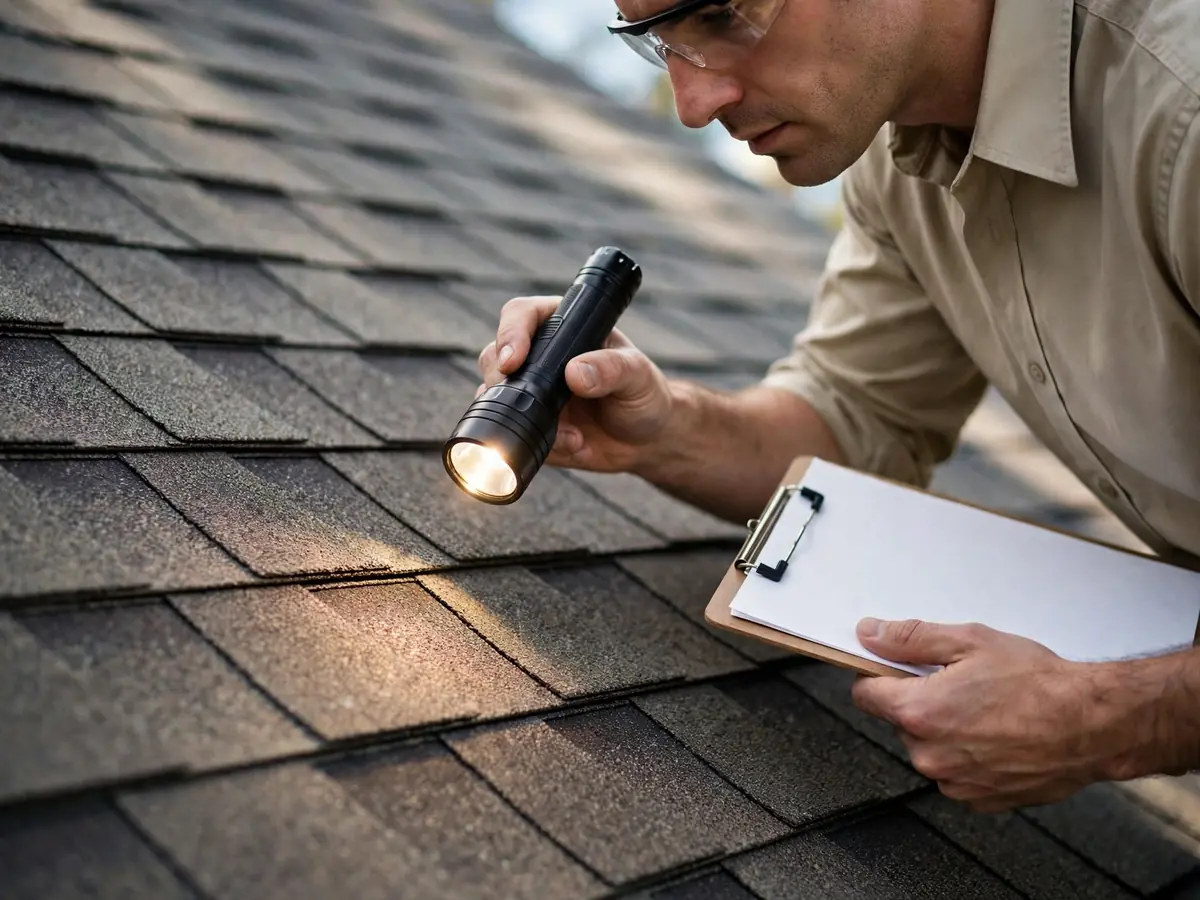
Plan and shingle choice
The plan covers tear-off, underlayment, flashing and the shingle type — architectural or three-tab — matched to the roof and the house.

New shingles fitted
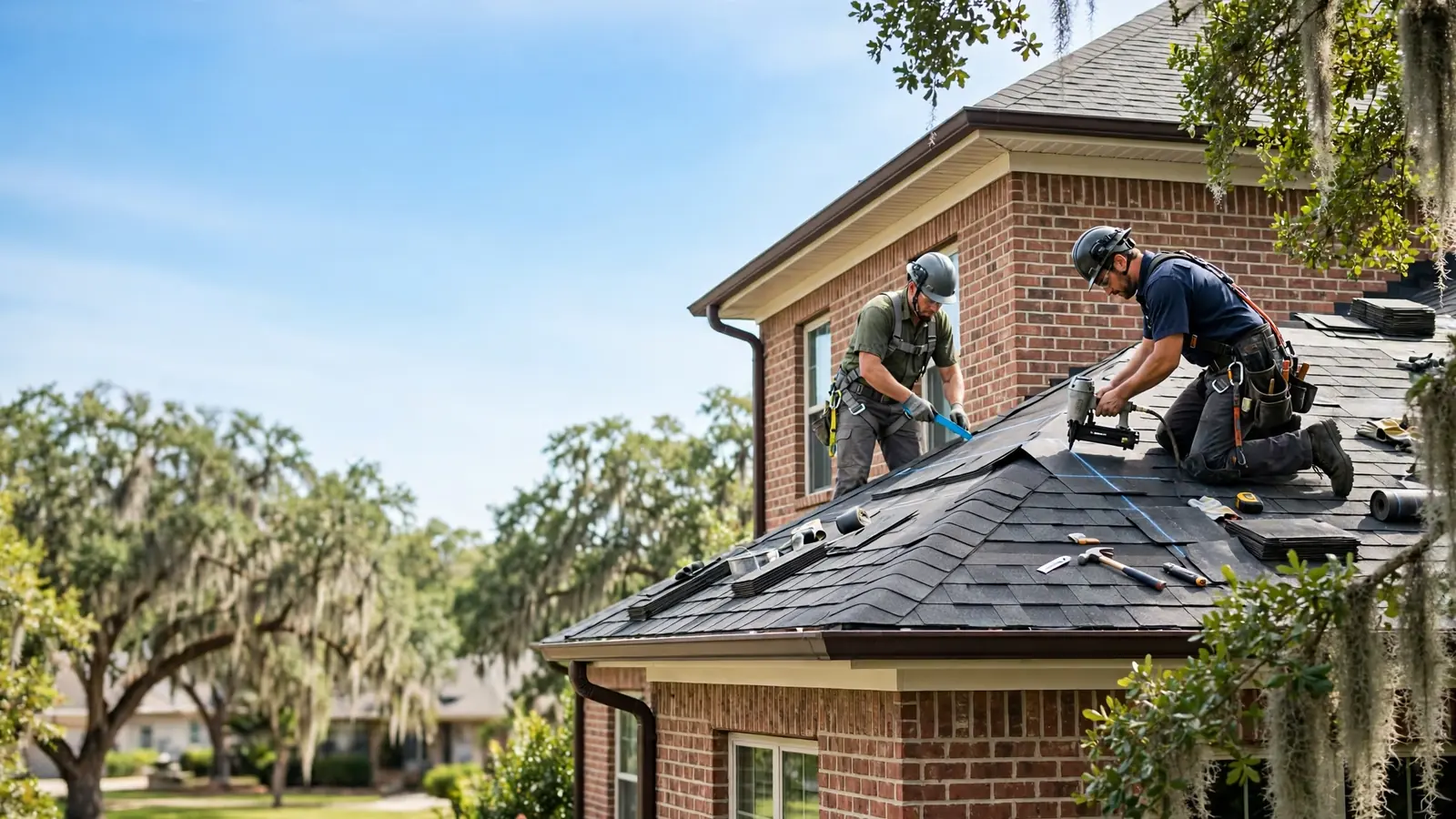
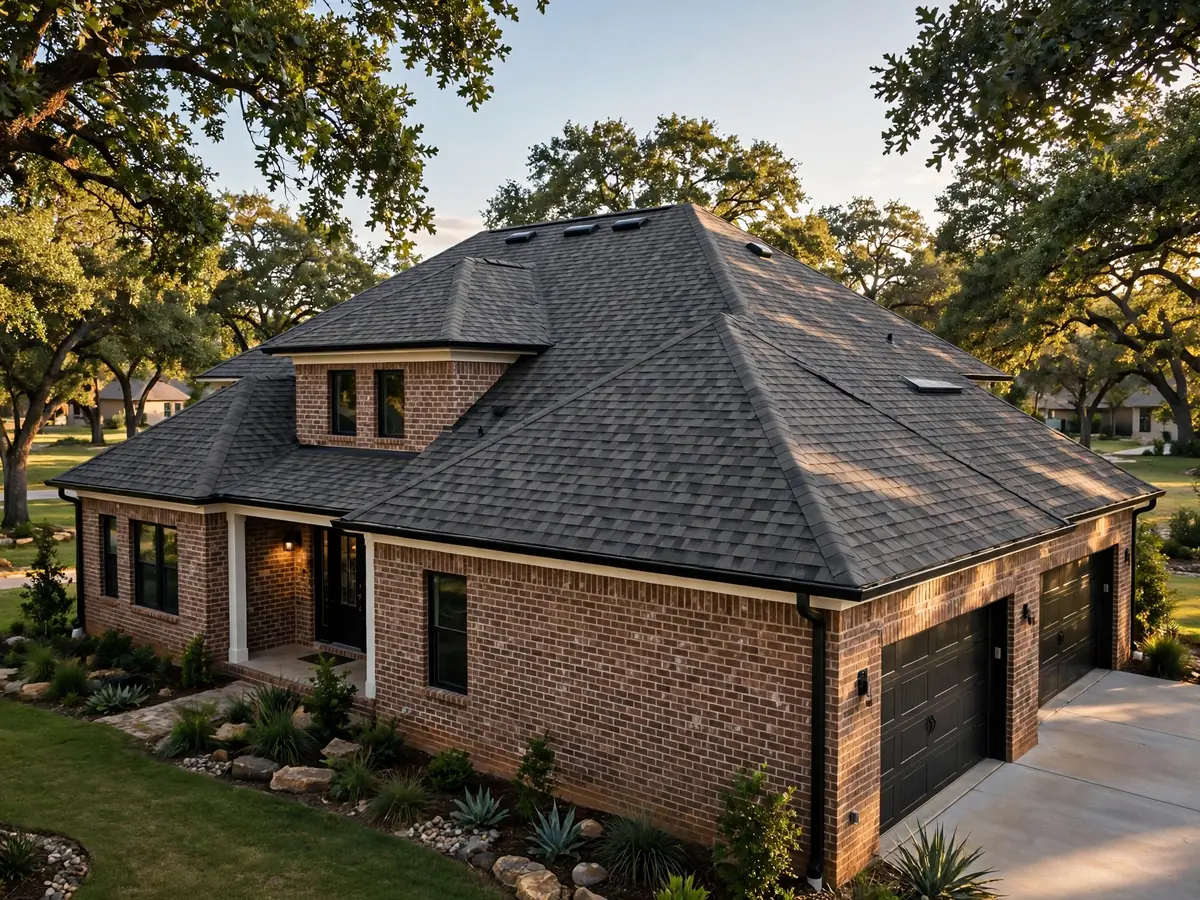
The old covering comes off, the deck is checked, underlayment and flashing go in, and the new shingles are laid course by course.
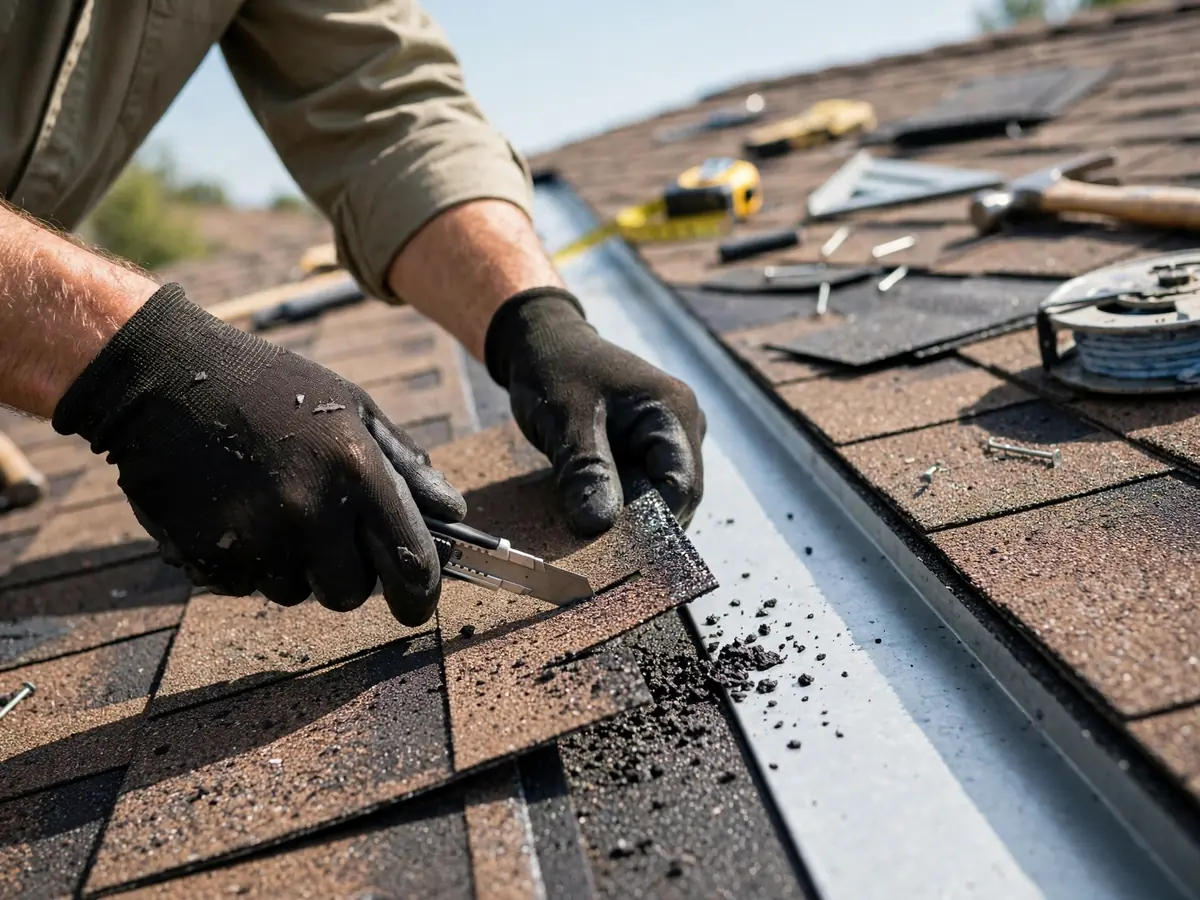
Finishing and check
Ridge caps, vents and flashing are finished, the site is cleared, and the roof is walked once more.
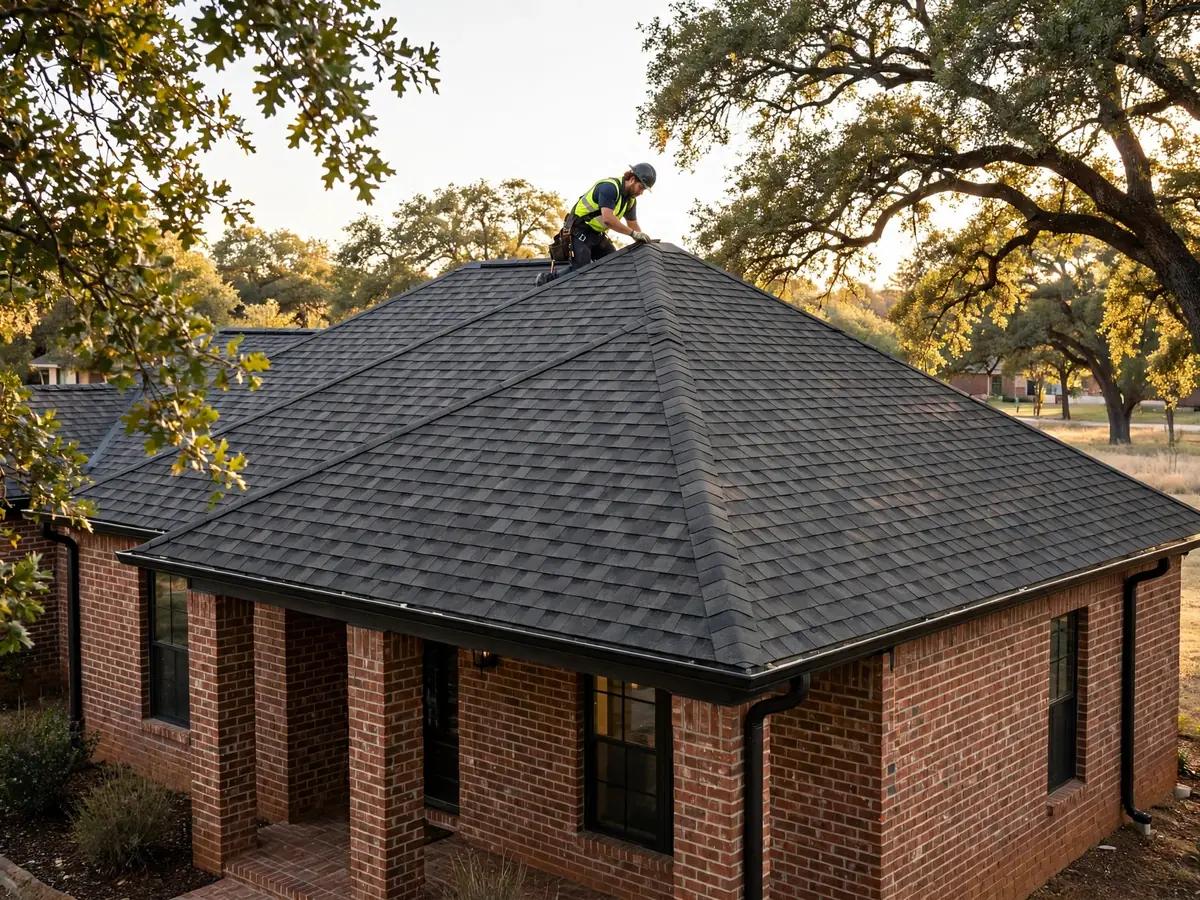
How the work is done
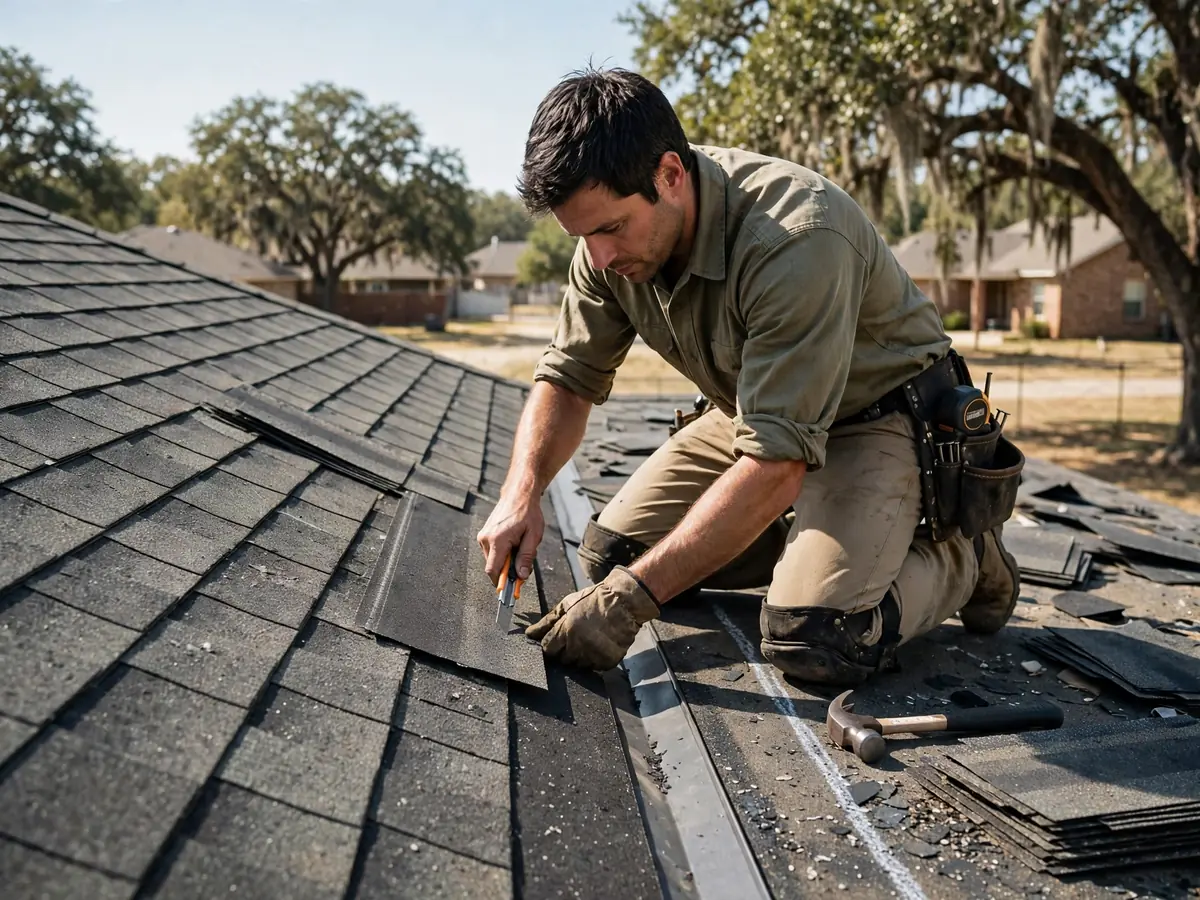
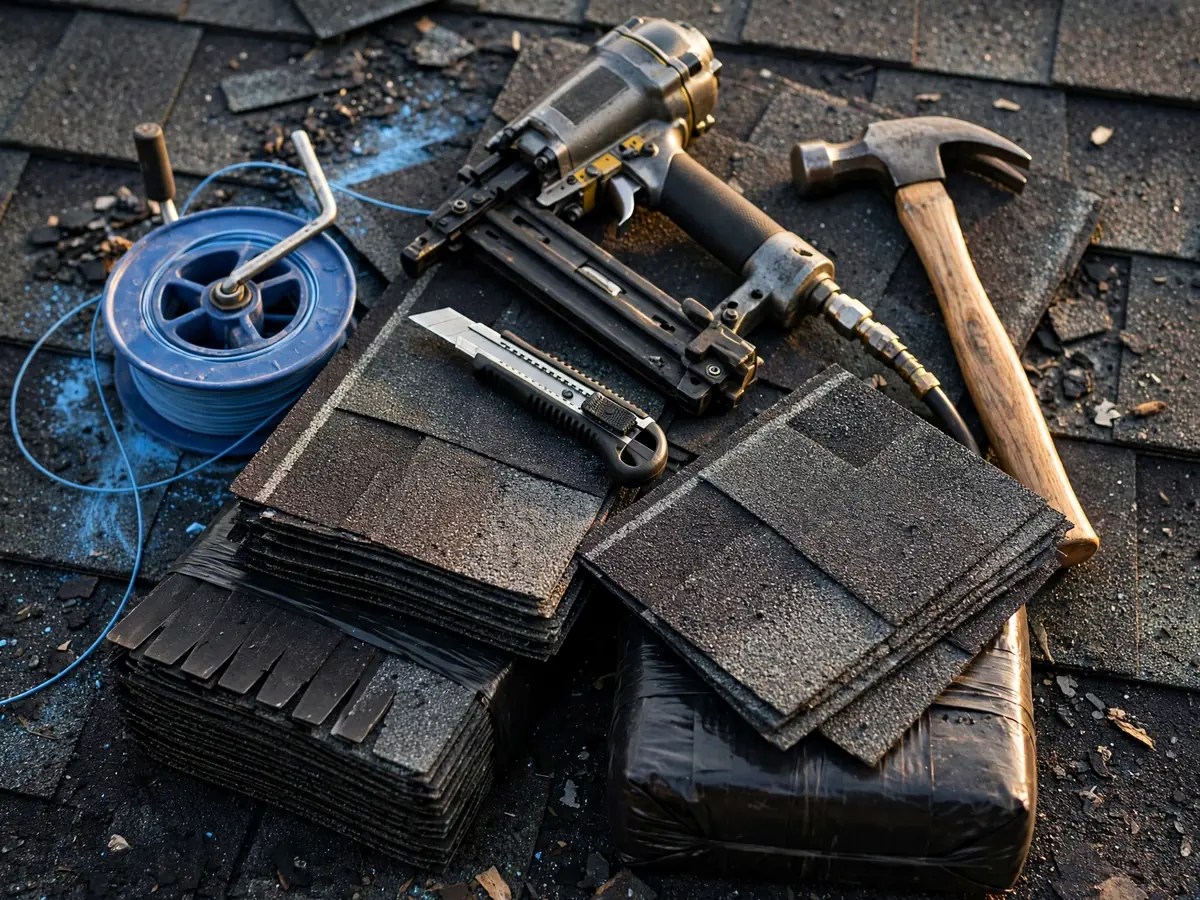
Shingles are laid from the eave upward, course by course, with each course overlapping the one below so water runs down and off. Nails sit in the nail line where the next course covers them — a nail left in the open is a leak waiting for the next rain. The courses are kept straight with a line, because a wandering course leaves gaps at the edge.
The sealant strip on each shingle bonds in the sun over the days after fitting. In cooler weather the bond takes longer, and the crew checks the seal before leaving the roof. A shingle that has not bonded is a shingle the next wind can lift.
Valleys are laid with the shingle edges cut to the channel, so water runs down the valley metal rather than under the shingle edge. A valley cut wrong holds water and debris, and the channel wears through years before the rest of the roof.
Before the visit
Note the roof material, its rough age, and what you are seeing — where the problem shows inside, and when it started. The inspection follows your evidence, so the notes help more than a climb ever will.
Signs you need shingle roofing
Granules collecting in the gutters and at the downspouts are the first sign a shingle roof is ageing. Curling edges, cracked tabs, and shingles that lift in the wind follow. A roof that has lost granules across every slope has lost the layer that shields it from the sun, and the asphalt beneath will crack sooner than the calendar suggests.
The sign that matters most is the seal. A shingle that lifts easily by hand has lost its bond, and a slope where many tabs lift is a slope that will leak in the next storm. The inspection tests the seal, because the seal is what holds the roof together when the wind comes.
Dark streaks running down a shingle roof are algae, and they show first on the north-facing slopes that stay shaded and damp in Elizabeth humidity. The streaks mark the surface, and on their own they do not mean the roof is failing — but they do mean the slope stays damp, and a slope that stays damp ages faster than one that dries in the sun. The inspection reads whether the covering beneath the streaks is still sound: granules in place, seals holding, no curl at the edges. A streaked roof with sound shingles is a roof to watch, not a roof to replace.
Shingle Roofing and the Elizabeth climate
New Jersey summer heat and hail are what age shingle roofs here. Summer sun bakes the granules and dries the asphalt; spring hail bruises the mat and knocks granules off; nor'easter wind lifts tabs and breaks seals. A shingle roof in this metro works harder than the same roof in a cooler climate, and its condition is read from granules, seal and curl — not from the calendar alone.
That is why the shingle type matters. Heavier architectural shingles hold their seal better in wind and carry more granule cover than three-tab shingles, and on a roof that faces the storm seasons year after year, that difference shows in how long the covering lasts.
That is why the shingle type matters in Elizabeth, and why the impact rating is worth asking about. The UL 2218 test sorts shingles into classes, and Class 4 is the highest — the shingle survived the lab impact test without rupture. Standard architectural lines are often Class 3, and the Class 4 lines are the ones built for hail country. The rating is about the lab test, not a promise about any storm, and the inspection will say which line is on the roof and what its rating means for the next hail season.
Class 4 shingles and the hail belt
UL 2218 is the impact test for shingles, and Class 4 is the highest of its four classes. The test drops a two-inch steel ball from twenty feet onto the shingle, and Class 4 means the shingle showed no rupture, splitting, or fracture on either face. It is a lab test, and it is the threshold most insurers look for when they talk about impact-resistant roofs. A shingle that carries the rating has earned it in the lab, and the rating is printed on the product information that comes with the line.
Class 4 is not hail-proof, and the difference matters. Real hail at two and a half inches or larger can still damage a Class 4 shingle, and wind-driven hail strikes harder than hail falling straight down. The rating says the shingle survived the test; it does not say the roof will survive every storm. A homeowner who buys Class 4 shingles and expects a hail-proof roof has been sold a promise the rating never made, and the inspection will say so plainly.
What to ask is which product line is being fitted, because the rating belongs to the line, not to the brand. A manufacturer's most widely sold architectural shingle is often Class 3, and the Class 4 line is a separate product — GAF's Timberline ArmorShield II is one example, an SBS-modified shingle rated Class 4 with a 150 mph wind classification under ASTM D7158. Ask for the line by name, and ask what its impact and wind classifications are. The answer should name the line and the test, not just the brand.
Problem → solution
Problem
An Elizabeth home with a three-tab shingle roof from the 1990s: granules in every gutter, curling edges on the south slope, and tabs lifting in the wind.
Solution
The inspection found granule loss across all slopes and failed seals on the south side. The old covering came off, the deck was checked, and architectural shingles went on with new underlayment, flashing and ridge caps.
Problems shingle roofing solves in the Elizabeth area
Granule loss
Granules shield the asphalt from the sun. When they wash away, the shingle dries and cracks.
Curling edges
Shingle edges curl as the asphalt ages in the heat. Curled edges catch the wind and lift.
Failed seals
A shingle that has lost its seal lifts in the wind and lets water under it. The seal is tested across the slope.
Hail bruises
Hail cracks the shingle mat under the granules. The bruise opens months later and leaks.
Other roofing services in Elizabeth
A replacement visit starts with an inspection, not a sales talk. The roof is walked, the attic is checked for daylight and damp, and the deck is looked at where…
The stain is rarely above the leak. Water travels along the deck and rafters before it shows inside, so the source can sit several feet uphill from the damp pat…
The inspection after a storm has two jobs: find the damage, and document it. Photos of each slope, notes on the bruised and lifted areas, the date of the storm,…
Call Now and say where the water shows inside — ceiling, wall or attic — and what happened. The first visit covers the opening and stops the water; the inspecti…
A metal roof is a system like any other: panels, underlayment, flashing, ridge and ventilation, each fitted to the house. The inspection looks at the slope, the…
Commercial roofs add their own details: rooftop units, vents and pipes that pierce the membrane, foot traffic from maintenance, and ponding water where the slop…
An inspection is worth doing after a storm, before buying a home, when a roof reaches the age its material is known for, or when a stain appears and the cause i…
The inspection looks at the whole run: the gutter, the downspouts, the fascia behind it, and the ground where the water lands. Call Now and say what you are see…
Tile roofing covers clay and concrete tile — new tile roofs, broken-tile replacement, underlayment renewal under sound tile, and flashing at the hips, valleys a…
Skylight installation and repair covers new skylight fitting, leak tracing at the curb and flashing, cracked glazing after hail, and the flashing and underlayme…
Roof maintenance covers scheduled inspection visits, preventive repairs, gutter and drain clearing, and a written record of what was found on each visit. The rh…
Roof insurance claims help covers the steps in order: inspect before you file, document the damage, understand the two-stage payment, meet the adjuster with the…
Frequently asked questions
Straight answers to the questions Elizabeth area homeowners ask most.
Architectural shingles are layered and heavier, with a dimensional look, and they hold their seal better in wind. Three-tab shingles are a single flat layer with a regular pattern. The inspection of your roof gives the read on which suits it.
Granules in the gutters, curling or cracked tabs, lifted seals across a slope, and leaks in different places after storms all point to a covering near the end of its life. The inspection gives the read for your roof.
Yes, if the roof around them is sound. A few lifted or cracked shingles on a roof with life left are a repair — the shingle roofing page and the roof repair page cover both.
Granules are the mineral coating that shields asphalt shingles from the sun. They wash off as the shingle ages, and heavy granule loss across a slope means the covering is wearing thin.
Summer heat dries the asphalt, spring hail bruises the mat and knocks granules off, and nor'easter wind lifts tabs and breaks seals. A shingle roof here is read from granules, seal and curl — not from the calendar alone.
UL 2218 Class 4 is the highest impact rating for shingles. The test drops a two-inch steel ball from twenty feet onto the shingle, and Class 4 means it showed no rupture, splitting, or fracture on either face.
No. Very large hail can still damage them, and wind-driven hail strikes harder than hail falling straight down. The rating describes the lab test, not a promise about any storm — it is the strongest rating, not a shield.
Dark streaks on shaded slopes, where Elizabeth humidity keeps the surface damp. The streaks mark the surface, and the inspection reads whether the covering beneath is still sound — granules in place, seals holding, no curl at the edges.
Shingle Roofing problem in Elizabeth?
Call now — we will connect you with an independent local roofing professional for an inspection and a clear plan for shingle roofing.
Call NowTalk to a local roofing professional
One call connects you with a local professional for Elizabeth, Newark and the metro around them. Describe your roof — what you are seeing, where the problem shows, and when it started — and the visit is arranged from there.
Mon–Fri 7:00 AM–10:00 PM ET · Sat 8:00 AM–10:00 PM ET · Sun 7:00 AM–9:00 PM ET
Service area
Elizabeth · Newark · Linden · Rahway · Union · Hillside · Roselle · Roselle Park · Bayonne · Jersey City
Elizabeth Roofing Pros is a referral service connecting customers with local roofing professionals; it is not itself the service company.