Roof Inspection in Elizabeth, NJ
A roof inspection answers a simple question: what shape is this roof in, and what does it need next. The inspector walks the roof, checks the attic, and looks at the flashing, valleys, vents and gutters. What is found is written down — slope by slope, detail by detail — so the next step is a matter of evidence, not a guess.
Talk to a local roofing professional
One call connects you with a local professional for the Elizabeth area. Describe your roof — what you are seeing, and where — and the visit is arranged from there.
Mon–Fri 7:00 AM–10:00 PM ET · Sat 8:00 AM–10:00 PM ET · Sun 7:00 AM–9:00 PM ET
How roof inspection works in Elizabeth area homes
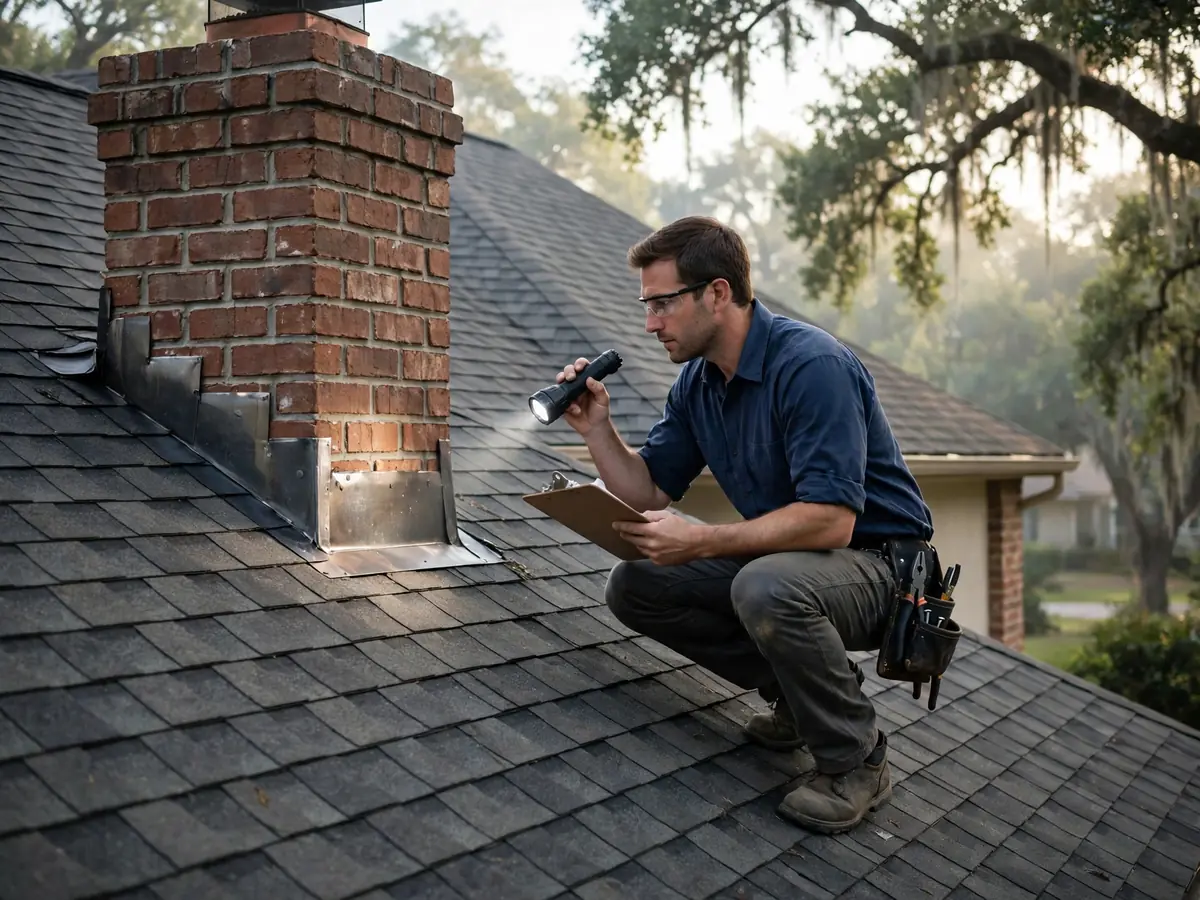
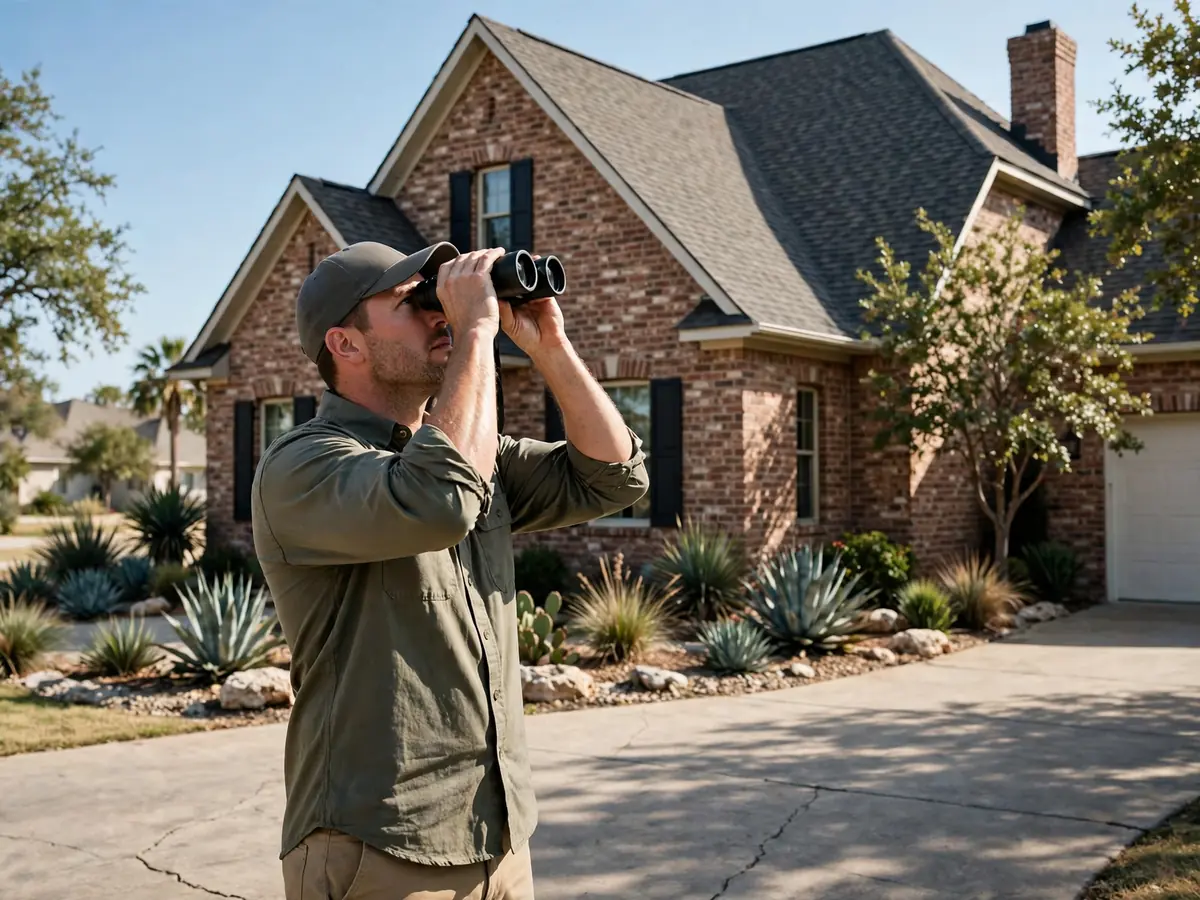
The roof walk is the heart of the inspection. The inspector walks each slope and checks the covering for lifted, cracked or missing pieces, granule loss, and bruises from hail. The ridge is checked, the valleys are checked, and the flashing at every chimney, wall and vent is looked at closely. A roof can look sound from the driveway and still carry damage on the back slope that only a walk finds.
The attic is the second half. Daylight through the boards, damp or stained wood, and insulation that has been wet all show in the attic before they show on the ceiling. Ventilation is checked too — whether intake and exhaust vents are moving air through the space. An attic that does not breathe traps heat and moisture, and both age the roof from below.
The written note is the third part, and it is the part that makes the inspection useful after the visit. It lists what was found on each slope, the condition of the flashing, valleys, vents and gutters, the state of the deck and the attic, and the next steps in plain words. A homeowner with that note knows what the roof needs and what can wait.
- Every slope walked — covering, ridge, valleys and edges checked
- Flashing at chimneys, walls, vents and skylights looked at closely
- Attic checked for daylight, damp, stained wood and ventilation
- Gutters and downspouts checked for blockages and granule build-up
- Written note of findings, slope by slope, in plain words

What roof inspection includes
Roof walk
Each slope is walked and the covering checked for lifted, cracked or missing pieces, granule loss and hail bruises. The back slope gets the same look as the front.
Flashing check
Flashing at chimneys, walls, vents and skylights is looked at closely, because flashing is the most common leak source on Elizabeth roofs.
Valley and ridge check
Valleys are checked for wear where two slopes pour water into one channel, and the ridge is checked for lifted caps and open venting.
Attic inspection
The attic is checked for daylight through the boards, damp or stained wood, wet insulation, and ventilation — intake and exhaust working together.
Gutter check
Gutters and downspouts are checked for blockages and for granules, which show how much of the covering has washed away.
Written findings
The findings are written down slope by slope, with the next steps in plain words — what needs doing now, what can wait, and what to watch.
Roof Inspection — on the job
The visit, step by step
Call and say why
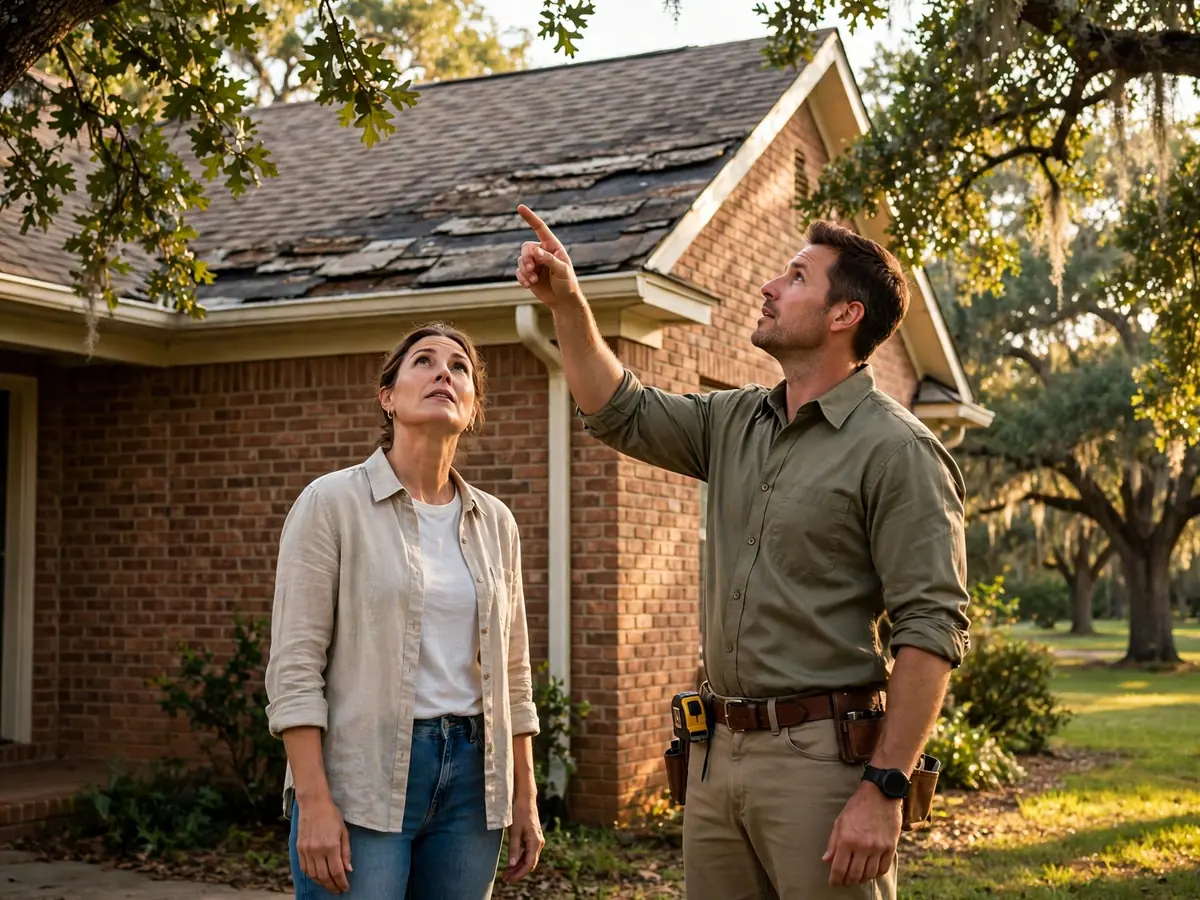
Say why the inspection is needed — after a storm, before a home purchase, a roof reaching its later years, or a stain with no clear cause.
Roof walk
A local professional walks every slope, checking the covering, ridge, valleys, flashing and vents, and photographs what is found.
Attic check
The attic is checked for daylight, damp, stained wood and ventilation, because the attic often shows roof trouble first.

Written findings
The findings are written down slope by slope, with the next steps in plain words — what needs doing now and what can wait.
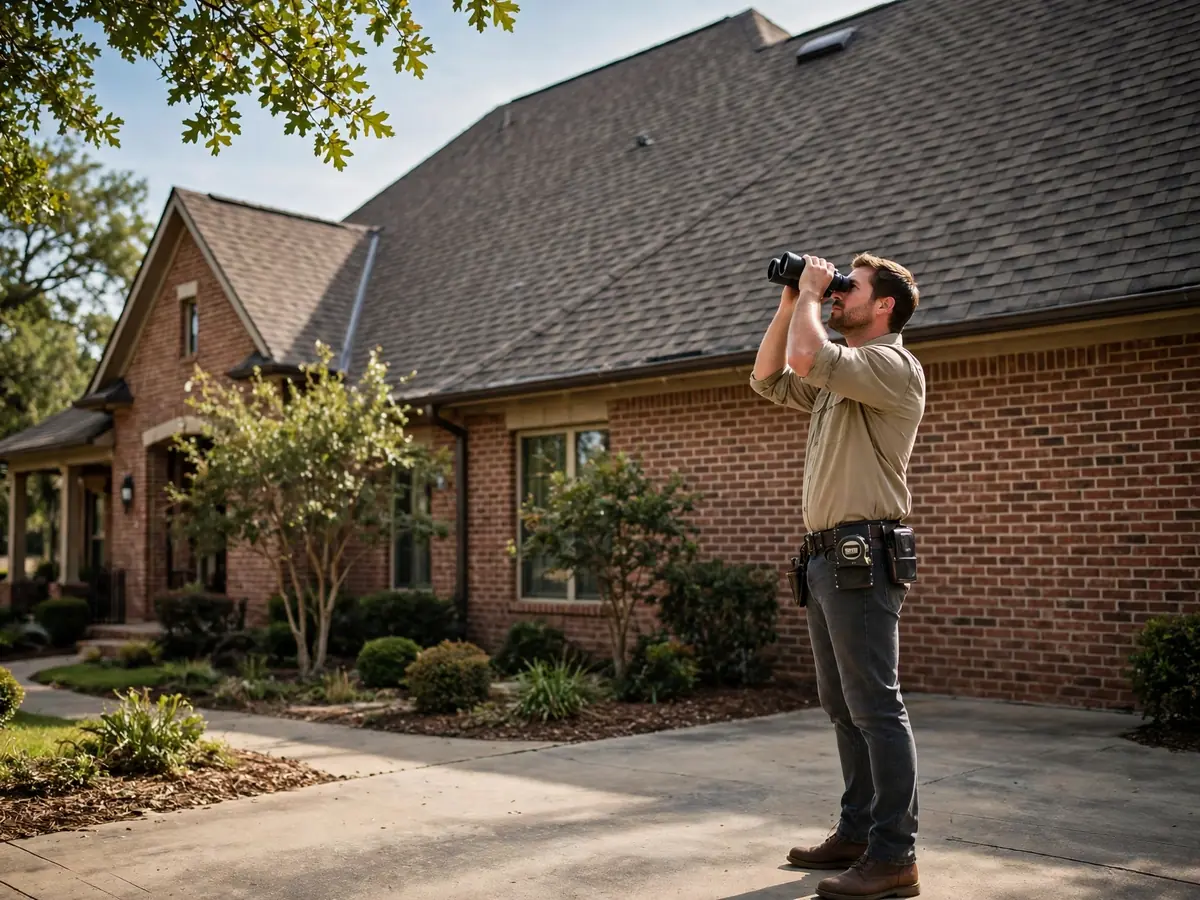
Plan from the findings
If work is needed, the plan follows the findings — repair, replacement, or a scheduled check — and it is explained before anything is agreed.
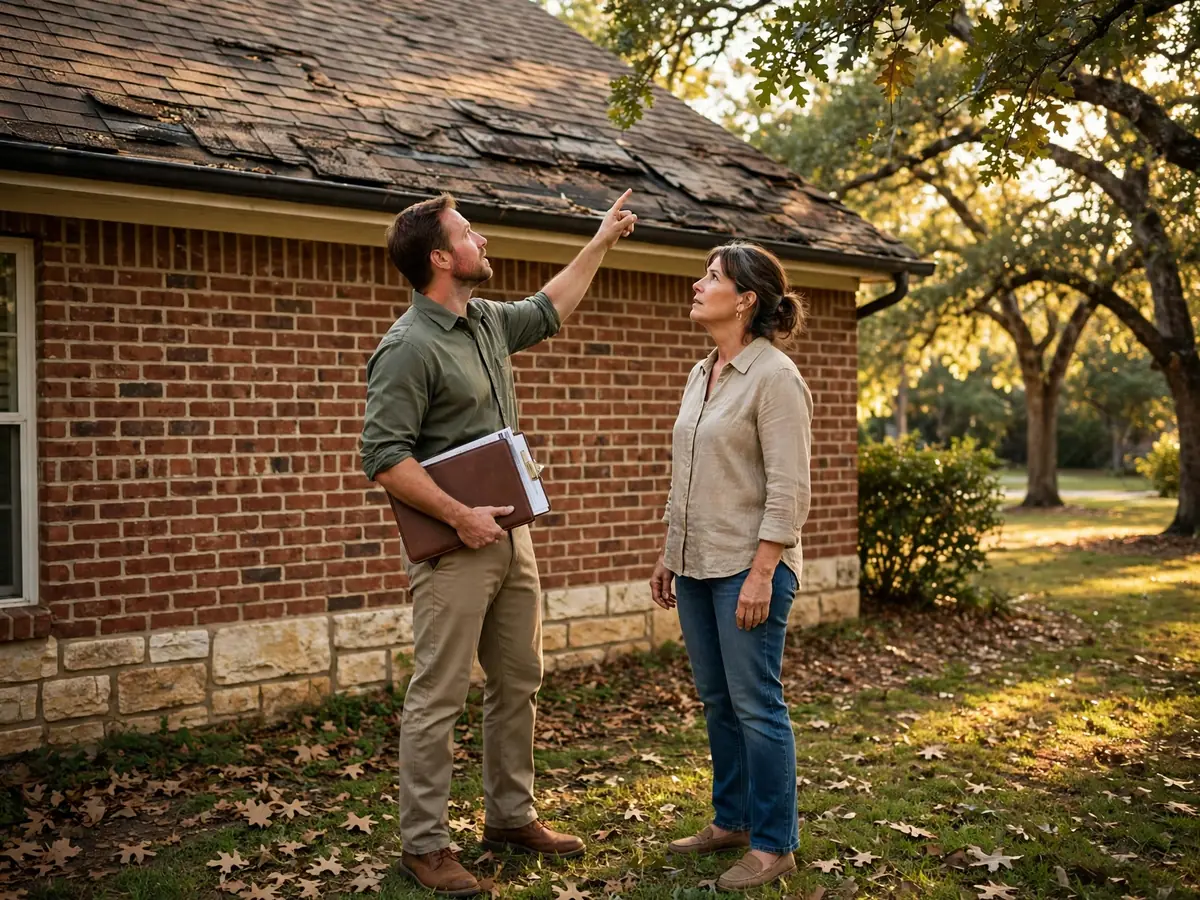
How the work is done
The inspection is done by hand and by eye, in daylight and dry weather. The inspector walks the roof rather than looking from the ground, presses shingles to feel for hail bruises, and lifts the edge of a course to see the underlayment beneath. A roof inspected from the driveway is a roof half-inspected.
Photos are taken of what is found — the lifted tab, the cracked boot, the worn valley — so the written note can be checked against the roof itself. The photos belong to the findings, and they stay with the note after the visit.
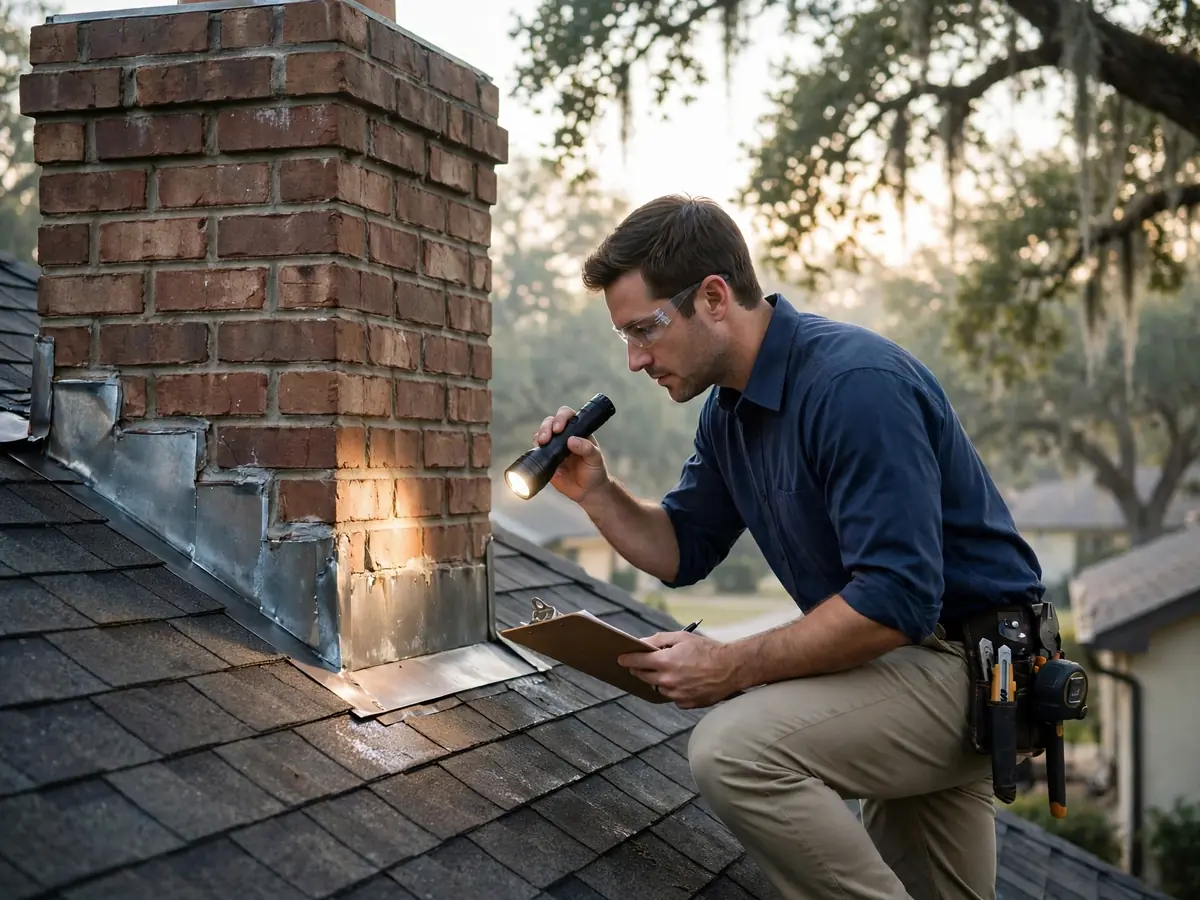
The attic is inspected with a torch, looking for daylight through the boards and damp on the wood. A torch shows in minutes what a ceiling stain takes months to show.

Before the visit
Note the roof material, its rough age, and what you are seeing — where the problem shows inside, and when it started. The inspection follows your evidence, so the notes help more than a climb ever will.
Signs you need roof inspection
An inspection is due after any hailstorm or strong wind, when granules collect in the gutters, when a stain appears on a ceiling, or when a roof reaches the age its material is known for. It is also due before buying a home — the roof is the part of a house that is hardest to see from the ground and most expensive to get wrong.
The signs that call for an inspection are often small: a shingle tab lifting in the wind, a pipe boot that has cracked, a valley that holds leaves and water. Each one is a small fix now and a leak later, and the inspection is what tells the two apart.
An inspection is also due before buying a home, when the roof's age is unknown and the paperwork says little. The inspection reads the covering slope by slope, the flashing at every joint, the attic for daylight and damp, and the ventilation for balance — and the note it leaves behind says how much life the roof has left, in plain words. A roof that looks sound from the driveway can carry bruised shingles, failed seals, and a deck that is soft in one corner, and a buyer who learns that after closing has bought the previous owner's roof problem along with the house.
Roof Inspection and the Elizabeth climate
New Jersey weather is why inspections here follow the storm calendar. Spring hail bruises shingles that look whole from the ground; nor'easter season brings wind that lifts tabs and drives rain under flashing; summer heat ages rubber boots and sealant. A roof inspected after each storm season carries no surprises into the next one.
That calendar is also why the inspection is worth doing even when nothing looks wrong. The damage that leaks in August was often made in April, and the inspection is the only way to find it between the two.
The inspection rhythm in Elizabeth follows the storm calendar, and it is the same rhythm every year: after hail season in the spring, after nor'easter season in the fall, and after any major storm in between. Summer is hail season, roughly May to August, and nor'easter season runs from autumn through spring, so the two checks bookend the worst of the year. A roof inspected on that rhythm is a roof whose damage is found while the record is fresh — the storm date, the photographs, and the count are all written down when the storm is still recent.
What the written note should contain
The written note is the part of the inspection that makes it useful after the visit, and a good note has four parts. The storm date and what the storm was, if the visit follows a storm. Photographs of each damaged area, with the slope noted and a coin or a tape beside the mark for scale. A written account of what the roof and the attic showed, slope by slope — the bruise count, the failed seals, the flashing, the ventilation. And the plan: what is a repair, what is a replacement conversation, and what happens next.
The note names the cause, not just the symptom. A stain on the ceiling is a symptom; a separated flashing joint two courses above the stain is a cause, and the note says which one it found and how the water travelled. A note that says only that the roof needs work has not inspected anything — it has guessed. The cause is what the repair fixes, and the note is what the homeowner holds the repair to.
The note is also the record the insurance-claims process runs on, and it should be kept with the photographs in one place. The adjuster reads the same record the inspector wrote, and a record with the storm date, the photographs, and the slope-by-slope count is a record that holds up. A claim built on a note that says little is a claim that leans on the adjuster's visit alone, and the adjuster's visit is one look at a roof that has already been looked at properly.
Problem → solution
Problem
An Elizabeth homeowner buying a house with a roof that looked sound from the driveway. The sale depended on knowing what the roof needed, and the ground view could not say.
Solution
The inspection walked every slope and checked the attic. It found lifted tabs on the back slope, a cracked pipe boot, and granules washing into the gutters — three small repairs, written down slope by slope, with the next steps in plain words.
Problems roof inspection solves in the Elizabeth area
Hidden storm damage
Hail bruises and lifted seals hide from the ground view. A roof walk finds them before they leak.
Attic trouble
Daylight, damp and poor ventilation show in the attic first. The attic check catches them early.
Flashing wear
Flashing ages at every joint. A close look at each joint shows which ones need work.
Uncertain roof age
A roof of unknown age needs a read, not a guess. The inspection gives the condition slope by slope.
Other roofing services in Elizabeth
A replacement visit starts with an inspection, not a sales talk. The roof is walked, the attic is checked for daylight and damp, and the deck is looked at where…
The stain is rarely above the leak. Water travels along the deck and rafters before it shows inside, so the source can sit several feet uphill from the damp pat…
The inspection after a storm has two jobs: find the damage, and document it. Photos of each slope, notes on the bruised and lifted areas, the date of the storm,…
Call Now and say where the water shows inside — ceiling, wall or attic — and what happened. The first visit covers the opening and stops the water; the inspecti…
A metal roof is a system like any other: panels, underlayment, flashing, ridge and ventilation, each fitted to the house. The inspection looks at the slope, the…
Commercial roofs add their own details: rooftop units, vents and pipes that pierce the membrane, foot traffic from maintenance, and ponding water where the slop…
The choice between them is a matter of the roof, the house and the weather it will meet. Architectural shingles are heavier and hold their seal better in wind; …
The inspection looks at the whole run: the gutter, the downspouts, the fascia behind it, and the ground where the water lands. Call Now and say what you are see…
Tile roofing covers clay and concrete tile — new tile roofs, broken-tile replacement, underlayment renewal under sound tile, and flashing at the hips, valleys a…
Skylight installation and repair covers new skylight fitting, leak tracing at the curb and flashing, cracked glazing after hail, and the flashing and underlayme…
Roof maintenance covers scheduled inspection visits, preventive repairs, gutter and drain clearing, and a written record of what was found on each visit. The rh…
Roof insurance claims help covers the steps in order: inspect before you file, document the damage, understand the two-stage payment, meet the adjuster with the…
Frequently asked questions
Straight answers to the questions Elizabeth area homeowners ask most.
Every slope walked, flashing at chimneys, walls, vents and skylights, valleys and ridge, the attic for daylight, damp and ventilation, and the gutters. The findings are written down slope by slope.
After each storm season — spring hail and nor'easter season — and when a stain appears or the roof reaches its later years. A roof inspected on that rhythm carries no surprises.
Yes. The roof is the hardest part of a house to judge from the ground and one of the most expensive to get wrong. The inspection gives the condition in writing before the purchase.
Yes. Hail bruises are felt by hand on the shingle, and granule loss shows under the tab. The ground view hides both, which is why the inspection walks the roof.
A written note of the findings slope by slope, with the next steps in plain words — what needs doing now, what can wait, and what to watch after the next rain.
A routine inspection reads the roof's condition and how much life it has left. A storm inspection counts the damage slope by slope — bruises, lifted seals, dented vents — and documents it with the storm date, so the record serves the repair and the claim.
It helps. You can point out where the problem shows inside and when it started, and the inspector can show you what the roof and the attic showed. The notes you keep — where, when, what it looks like — help the inspection trace the problem.
It depends on the roof — its size, its slope, and what the attic shows. The visit covers the roof walk, the attic, and the written note, and a steep multi-story roof takes longer than a low, single-story one. The plan agreed after the visit sets out what happens next.
Roof Inspection problem in Elizabeth?
Call now — we will connect you with an independent local roofing professional for an inspection and a clear plan for roof inspection.
Call NowTalk to a local roofing professional
One call connects you with a local professional for Elizabeth, Newark and the metro around them. Describe your roof — what you are seeing, where the problem shows, and when it started — and the visit is arranged from there.
Mon–Fri 7:00 AM–10:00 PM ET · Sat 8:00 AM–10:00 PM ET · Sun 7:00 AM–9:00 PM ET
Service area
Elizabeth · Newark · Linden · Rahway · Union · Hillside · Roselle · Roselle Park · Bayonne · Jersey City
Elizabeth Roofing Pros is a referral service connecting customers with local roofing professionals; it is not itself the service company.