How Often Should an Elizabeth Roof Be Inspected?
An Elizabeth roof is inspected on the storm calendar, not the calendar on the wall — after spring hail, after nor'easter season, and when a stain appears.

The short version
Problem: a roof inspected once and forgotten carries surprises into the next storm season — and the surprises leak.
Solution: inspect on the storm calendar — after hail season, after nor'easter season, and whenever a stain appears.
When to call: after any hailstorm or strong wind, and in the weeks before nor'easter season.
How often should an Elizabeth roof be inspected? The answer follows the storm calendar, not the calendar on the wall. Spring hail bruises shingles that look whole from the ground; nor'easter season brings wind that lifts tabs and drives rain under flashing; summer heat ages rubber boots and sealant. A roof inspected after each storm season carries no surprises into the next one.
This guide sets out the rhythm: after hail season, after nor'easter season, and whenever a stain appears — plus the inspections that come with a home purchase and a roof reaching its later years.
The rhythm is simple, and it is the same every year: after hail season in the spring, after nor'easter season in the fall, and after any major storm in between. Summer is hail season, roughly May to August, and nor'easter season runs from autumn through spring, so the two checks bookend the worst of the year. A roof inspected on that rhythm is a roof whose damage is found while the record is fresh — the storm date, the photographs, and the count are all written down when the storm is still recent.
After hail season
Summer is hail season in the Elizabeth area, roughly May to August, and the inspection after it is the most important of the year. Hail bruises shingles without breaking them, and the bruise is felt by hand on the roof, not seen from the driveway. The inspection walks every slope, counts the bruises slope by slope, and checks the vents, gutters and skylights for dents and cracks.
The count decides the plan. A few bruised shingles on a sound roof are replaced in their course; bruises across many slopes are a replacement conversation. Either way, the inspection after hail season is worth doing even when the roof looks sound from the ground — the damage that leaks later is the damage you cannot see now.
The inspection after hail season is the first of the year's two checks, and it is the one that finds the bruises. Summer is hail season, roughly May to August, and the inspection after it walks every slope, checks the shingles by touch for bruises, and counts them slope by slope. Vents, gutters, skylights, and flashing are checked for dents and cracks, and the damage is photographed with the storm date.
After nor'easter season
Nor'easter season runs from autumn through spring, and the inspection after it is the second of the year's two main checks. Wind lifts tabs and breaks seals, drives rain under flashing, and works the ridge caps loose. The inspection walks the ridge and the edges first, then the field, testing the seal across each slope.
The season leaves its own marks even when nothing looks wrong from the ground. A tab that lifted and settled back down looks sound, but its seal is broken and the next storm will get water under it. The inspection after the season is the prep for the next one.
Before nor'easter season
The inspection before the season — in the weeks before June — is the third check, and it is the one that prevents the leaks rather than finding them. The inspector walks every slope and checks the covering for lifted, cracked or missing shingles, the seal between courses, and the flashing at every joint. The loose ends are fixed while the weather is still calm.
A roof inspected and repaired in May meets the season as a complete system; a roof left to June meets it as a patchwork. The prep is a roof inspection, the gutters cleared, and the loose ends tied down — before the season, not during it.
When a stain appears
A stain on the ceiling, a damp patch in the attic, or a musty smell in a room that never had one are all reasons for an inspection outside the calendar. The stain is rarely above the leak — water travels along the deck and rafters before it shows inside — so the visit traces the water from the stain back to the entry, and the repair closes the entry.
The stain that appears days after a storm is still a storm leak. Water that entered through a lifted shingle travels along the deck before it shows inside, so a stain that appears late is a reason to call, not a reason to wait.
Before buying a home
A roof inspection before buying a home is the inspection that saves the most trouble. The roof is the hardest part of a house to judge from the ground and one of the most expensive to get wrong, and the ground view hides the very damage that lets water in — lifted seals, cracked boots, bruised shingles, a deck gone soft.
The inspection gives the condition in writing before the purchase: the covering slope by slope, the deck and the attic, and the next steps in plain words. A buyer with that note knows what the roof needs and what can wait.
When the roof reaches its later years
A roof reaching the age its material is known for is worth an inspection even when nothing looks wrong. The covering is read — granules, seal, curl, bruises — and the attic is checked for daylight, damp and ventilation. The findings are written down slope by slope, with the next steps in plain words.
That read is the answer to the question of how much life the roof has left. Not a number from a table, but a read of the roof in front of the inspector — the covering, the deck and the attic together.
A roof reaching the age its material is known for is worth an inspection even when nothing looks wrong. Three-tab shingles reach 12 to 18 years in Elizabeth, architectural shingles 18 to 25, and a roof at the end of that range is a roof whose covering is wearing thin across whole slopes. The inspection reads the granules, the seals, and the deck, and the note says how much life is left — and whether the next inspection should be a repair visit or a replacement conversation.
The inspection after a new roof
A new roof should be inspected after its first heavy rain, and again after its first hail season. The first heavy rain is the roof's first real test: the attic is checked for damp, the flashing is checked at the chimney and the valleys, and the gutters are checked for granules. A new roof that stays dry through its first heavy rain has passed its first test, and a new roof that shows a damp patch has shown it early, while the fix is small.
The first hail season is the second test. Hail bruises a new shingle as surely as an old one, and a new roof that has taken its first hailstorm should be walked slope by slope, the bruises counted, and the damage photographed with the storm date. A new roof is not a hail-proof roof, and the inspection after the first hail season is the inspection that says whether the storm left damage or just noise on the covering.
What the inspection checks on a new roof is the work, not just the material. The seal between courses — whether the tabs have bonded, and whether the wind can lift them. The flashing at every joint — whether it was shaped to the roof as it is, and whether it sits tight. The ventilation — whether the intake and exhaust are balanced, and whether the soffits are clear. A new roof with sound material and weak details is a roof that will leak at the details.
After the first year, the rhythm settles to the usual one: twice a year, after hail season and after nor'easter season, and after any major storm in between. A roof inspected on that rhythm is a roof whose damage is found while the record is fresh, and whose small problems — a cracked boot, a lifted tab, a worn valley — are found before they become big ones. The inspection after a new roof is the inspection that sets the rhythm for the life of the roof.
What to do, step by step
Mark the storm calendar
Summer hail season and nor'easter season, from autumn through spring, are the two seasons that set the inspection rhythm.
Inspect after hail season
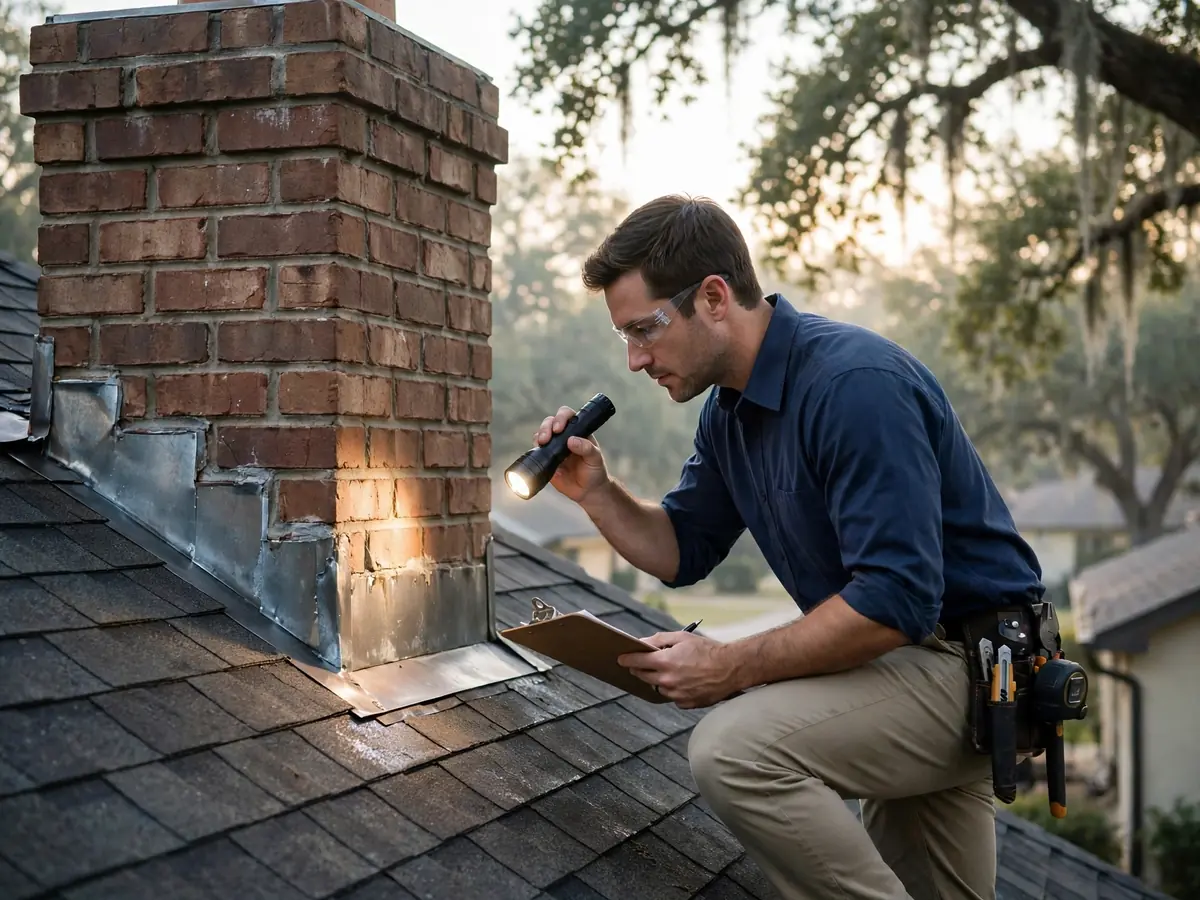
Call Now after the spring storms. The inspection walks the roof, counts the bruises slope by slope, and checks vents and gutters.

Inspect before nor'easter season
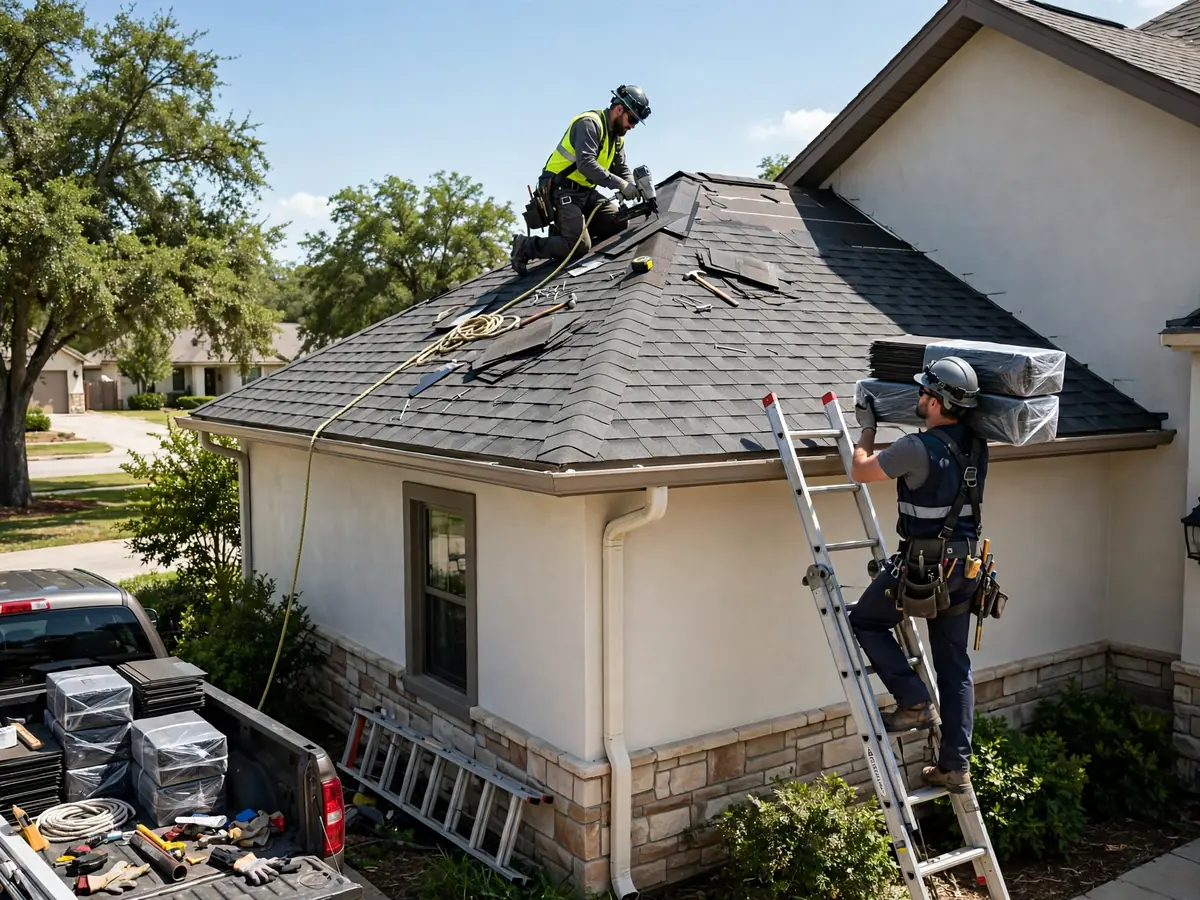
Call in the weeks before June, so the loose ends are fixed while the weather is still calm.
Inspect after nor'easter season
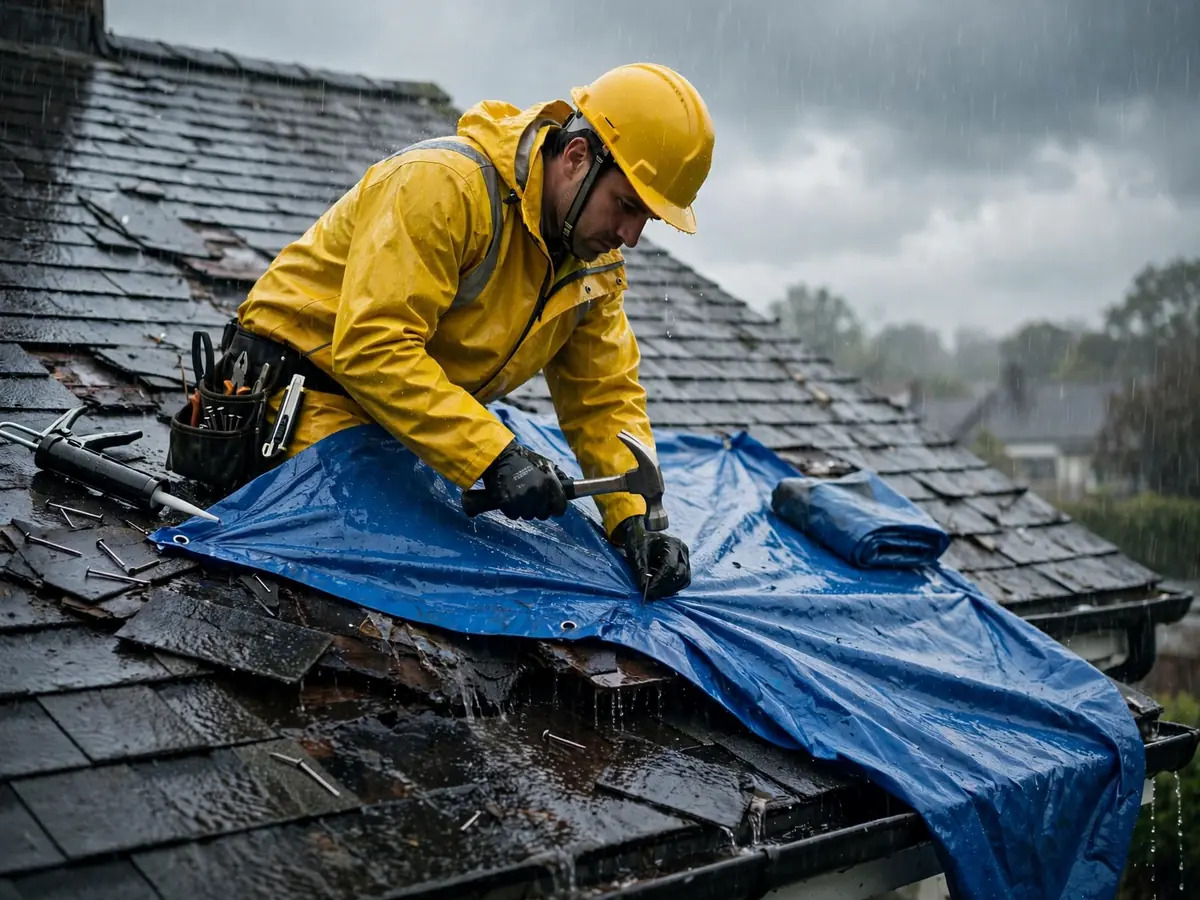
Call after November, because the season leaves its own marks — and the next season is already coming.
Call when a stain appears
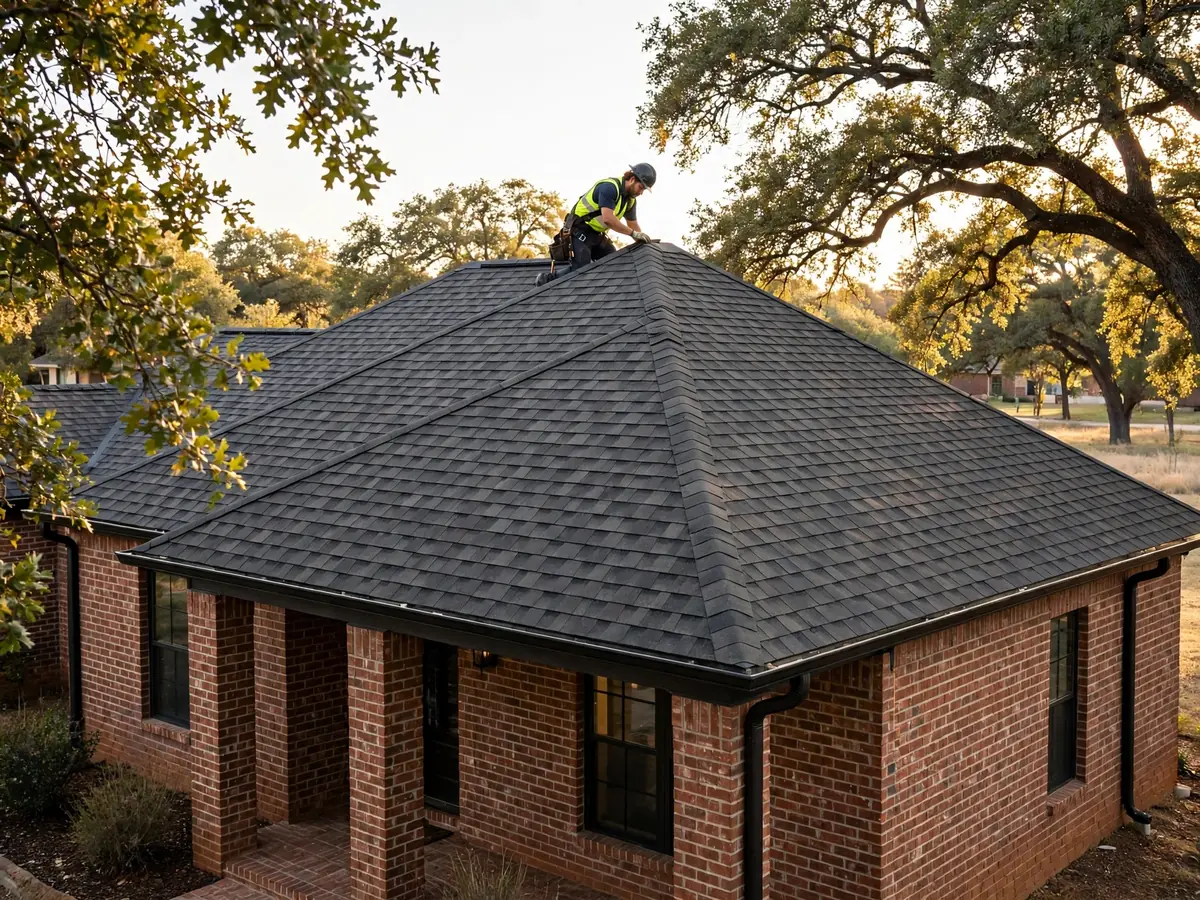
A stain, a damp patch or a musty smell is a reason for an inspection outside the calendar — the trace finds the entry.
Frequently asked questions
Straight answers to the questions Elizabeth area homeowners ask most about this guide.
After each storm season — spring hail and nor'easter season — and when a stain appears or the roof reaches its later years. A roof inspected on that rhythm carries no surprises.
Yes. The roof is the hardest part of a house to judge from the ground and one of the most expensive to get wrong. The inspection gives the condition in writing before the purchase.
Yes — in the weeks before June, so the loose ends are fixed while the weather is still calm. A roof inspected in May meets the season as a complete system.
Every slope walked, flashing at chimneys, walls, vents and skylights, valleys and ridge, the attic for daylight, damp and ventilation, and the gutters. The findings are written down slope by slope.
Yes — after its first heavy rain, and again after its first hail season. The first heavy rain tests whether the flashing and the seals hold, and the first hail season tests whether the storm left damage. A new roof is not a hail-proof roof.
The attic for damp, the flashing at the chimney and the valleys, and the gutters for granules. A new roof that stays dry through its first heavy rain has passed its first test, and a damp patch found early is a small fix.
Roof question in the Elizabeth area?
Call now — we will connect you with an independent local roofing professional for an inspection and a clear plan.
Call NowTalk to a local roofing professional
One call connects you with a local professional for Elizabeth, Newark and the metro around them. Describe your roof — what you are seeing, where the problem shows, and when it started — and the visit is arranged from there.
Mon–Fri 7:00 AM–10:00 PM ET · Sat 8:00 AM–10:00 PM ET · Sun 7:00 AM–9:00 PM ET
Service area
Elizabeth · Newark · Linden · Rahway · Union · Hillside · Roselle · Roselle Park · Bayonne · Jersey City
Elizabeth Roofing Pros is a referral service connecting customers with local roofing professionals; it is not itself the service company.