Metal Roofing vs Shingles in Elizabeth: Which Suits Your Home?
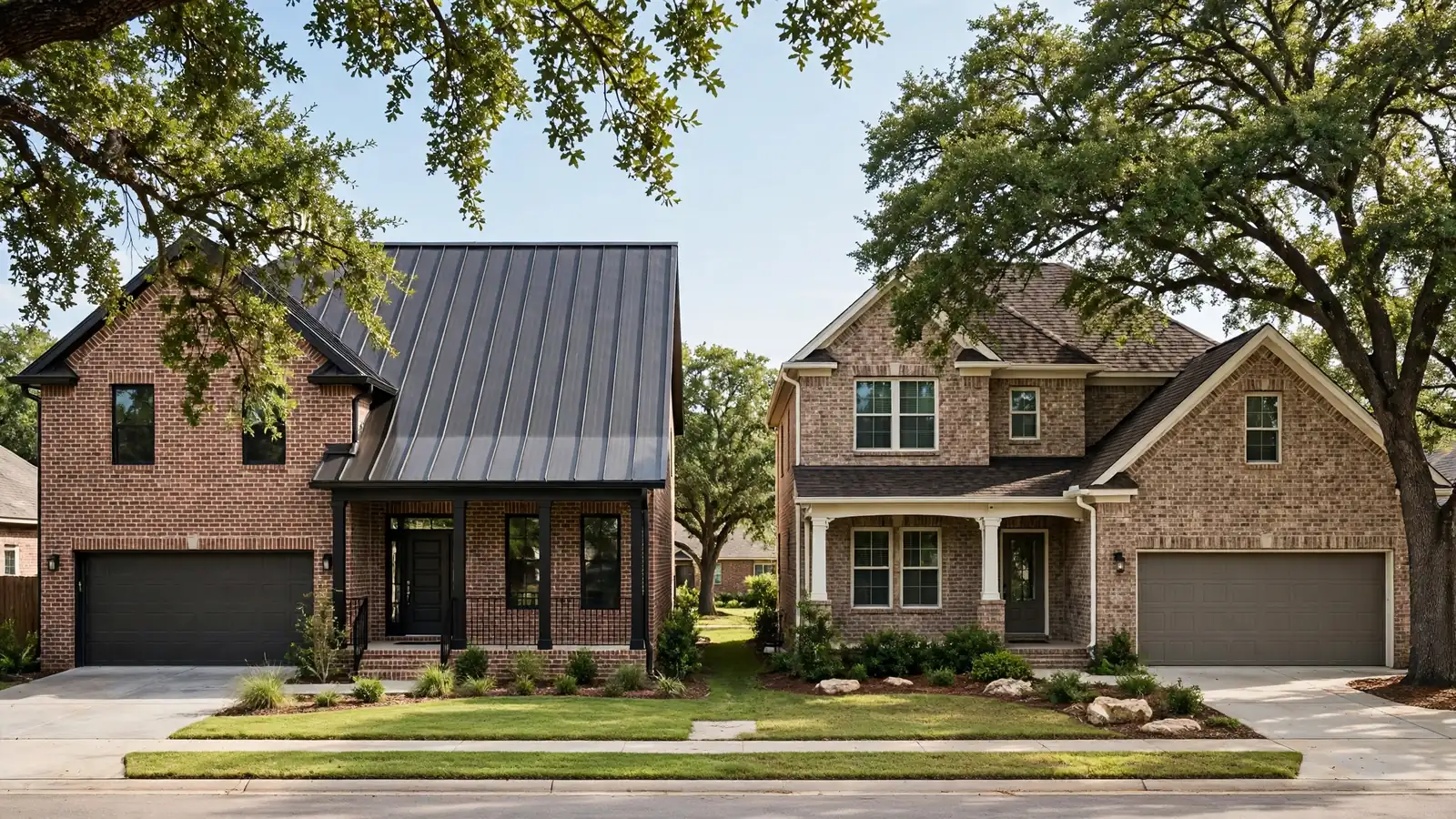
Metal sheds water and stands up to wind; shingles suit steep slopes and are repaired a course at a time. The roof's slope and shape decide.
The short version
Problem: two coverings, two very different ways of handling New Jersey weather — and the wrong one on the wrong roof leaks.
Solution: match the covering to the slope, the shape and the structure, and let the inspection read the roof first.
When to call: when the roof is near the end of its life and the next covering is the decision, not the repair.
When an Elizabeth roof reaches the end of its covering life, the next covering is the decision — and the two coverings most homeowners weigh are metal and asphalt shingles. Each handles the metro's weather differently, each suits a different roof shape, and each needs its own details underneath. This guide compares them the way the inspection does: slope, shape, weather and structure.
The short version is that metal suits steep, simple roofs and stands up to wind and hail, while shingles suit most Elizabeth homes and are repaired a course at a time. The rest of this guide is how to tell which one your roof is.
Heat is the second half of the comparison, and it is the half Elizabeth feels most. A light-coloured metal roof reflects more solar radiation than a dark shingle, so the attic runs cooler through an Elizabeth August and the air conditioning works less hard for it. Shingles absorb more heat by nature, but the newer cool-roof lines with reflective granules close much of the gap, and a lighter colour helps more than a darker one. The attic temperature is the thing to watch: an attic that traps heat bakes the shingles from below while the sun bakes them from above.
How metal handles New Jersey weather
Metal roofing sheds water in heavy rain, stands up to wind that lifts shingles, and carries hail better than a thin covering. A standing seam roof has no exposed fasteners on the field of the panel — the seams stand up, the fasteners hide beneath them, and water runs off without finding a nail hole. That is the detail that makes metal last in this climate.
Heat is the condition that shapes the detail. Metal expands in the summer sun, so the clip system must let the panels move. A metal roof fixed rigid will pull at its fasteners as it heats and cools, and the fix is in the fitting — clips, not nails through the panel face.
Metal sheds water in heavy rain because the panels run unbroken from ridge to eave, and there are no courses for wind-driven rain to get under. The seams are raised above the water's path, and the clips beneath them let the panels expand and contract with the heat. A metal roof in an Elizabeth downpour is a roof with no horizontal joints for the rain to find — and the rain in an Elizabeth downpour finds every joint there is.
How shingles handle New Jersey weather
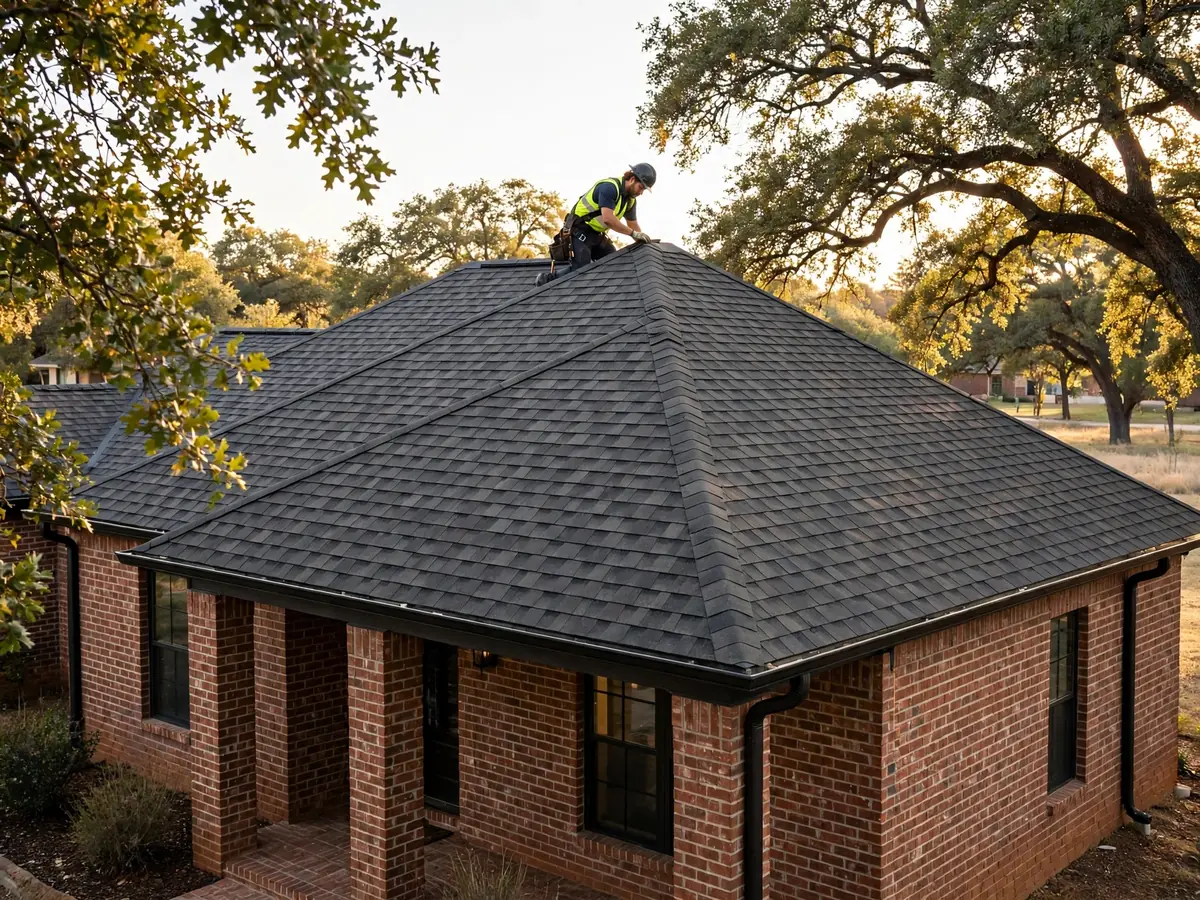
Asphalt shingles cover more Elizabeth roofs than any other material, and they suit the steep slopes of the metro's homes. Architectural shingles — thick, layered, with a dimensional look — hold their seal better in wind than three-tab shingles, and they are repaired a course at a time when a storm lifts a tab.
The weakness of shingles is the seal and the granules. Summer heat dries the asphalt and ages the sealant strip; spring hail bruises the mat and knocks granules off; nor'easter wind lifts tabs and breaks seals. A shingle roof in this metro is read from granules, seal and curl — not from the calendar alone.
Slope and shape decide
The roof's slope is the first decider. Metal suits steep-slope roofs well, where water runs off the panels and the seams stay dry. Low-slope roofs need their own plan — a membrane, not shingles and not standing seam — because water that stands on a low slope finds every joint. The inspection of your roof's slope and shape gives the answer.
Shape is the second decider. A simple roof with long, straight slopes suits metal panels cut to the length of the slope. A roof with many valleys, dormers and skylights suits shingles, because each valley and each flashing detail is easier to work in shingles than in metal. The more complex the roof, the more the balance tips toward shingles.
What sits underneath matters
Underlayment matters more under metal than under shingles. Metal moves heat into the attic, and condensation can form on the underside of a panel on a cool morning after a warm day. The underlayment and the ventilation beneath the panels keep that moisture off the deck. A metal roof without proper underlayment and ventilation is a roof that rots its own deck from below.
Shingles need the same care in a different way. The underlayment beneath them is the second line of defence when wind drives rain under a lifted tab, and the ventilation keeps the attic from baking the shingles from below. Either covering over a poorly ventilated attic ages faster than it should.
Repair and maintenance
A shingle roof is repaired a course at a time: a lifted tab is re-sealed, a cracked shingle is replaced in its course, a worn valley is re-lined. The repair is local, and the rest of the roof is untouched. That is the practical advantage of shingles — the repair is small and the roof keeps working.
A metal roof is repaired panel by panel, and a dented panel holds water in the dent. Hail that bruises a shingle roof dents a metal panel and moves on, but the dent ages faster than the flat panels around it. The inspection after a hailstorm checks dents slope by slope, and a dented panel is noted as part of the storm record.
How to choose for your roof
The choice is made in three steps. First, the inspection walks the roof and the attic and records the slope, the shape, the deck and the ventilation. Second, the findings are laid out — what the roof is, what it needs, and what each covering would ask of it. Third, the plan follows the findings, with the covering matched to the slope and the house.
Either way, the plan is explained before anything is agreed, in plain words, with the findings behind it. The covering is a decision about the roof you have, not about the roof in a catalogue.
The choice is made in three steps, and the steps run in order. First, the inspection walks the roof and the attic and records the slope, the shape, the structure, and the storm record. Second, the materials are compared against that roof — not against a catalogue, but against the slope the water runs down and the hail the roof has already taken. Third, the plan is explained before anything is agreed, with the findings behind it.
What the hail belt means for the choice
Elizabeth, Rahway and Linden meet the same summer hail, and the choice between metal and shingles is made with that hail in mind. Hail season runs May to August, and a roof that has already taken two or three hail seasons carries the marks, and the next covering should be chosen for the hail it will meet, not the hail it has already survived.
The two materials fail differently in hail, and the difference is the trade. Hail bruises a shingle and cracks the mat beneath the granules, and the bruise opens into a leak months later. Hail dents a metal panel and moves on — the panel still sheds water, and the dent is a mark on the surface, not a hole through it. A shingle roof fails quietly and late; a metal roof fails loudly and early, in a way you can see from the ground.
That is why the Class 4 question belongs in the comparison. Impact-resistant shingles — UL 2218 Class 4, the highest rating — are built for hail country, and they are the shingle answer to the hail belt. A standard architectural line is often Class 3, and the Class 4 line is a separate product. Ask which line is being fitted, and what its impact classification is, because the rating belongs to the line and not to the brand.
The look of the street is the last part of the choice, and it is the part the homeowner lives with. A standing-seam roof changes the look of a house, and many Elizabeth subdivisions need the homeowners association's approval before a material change — a sample, a colour, and a profile, submitted while the plan is still being drawn. A shingle roof keeps the look of the street, and a metal roof changes it. The choice is made on the roof, the hail record, and the street together.
What to do, step by step
Call and describe the roof
Say what covering is on the roof now, its slope and shape, and why the next covering is the decision.
Inspection of slope and structure
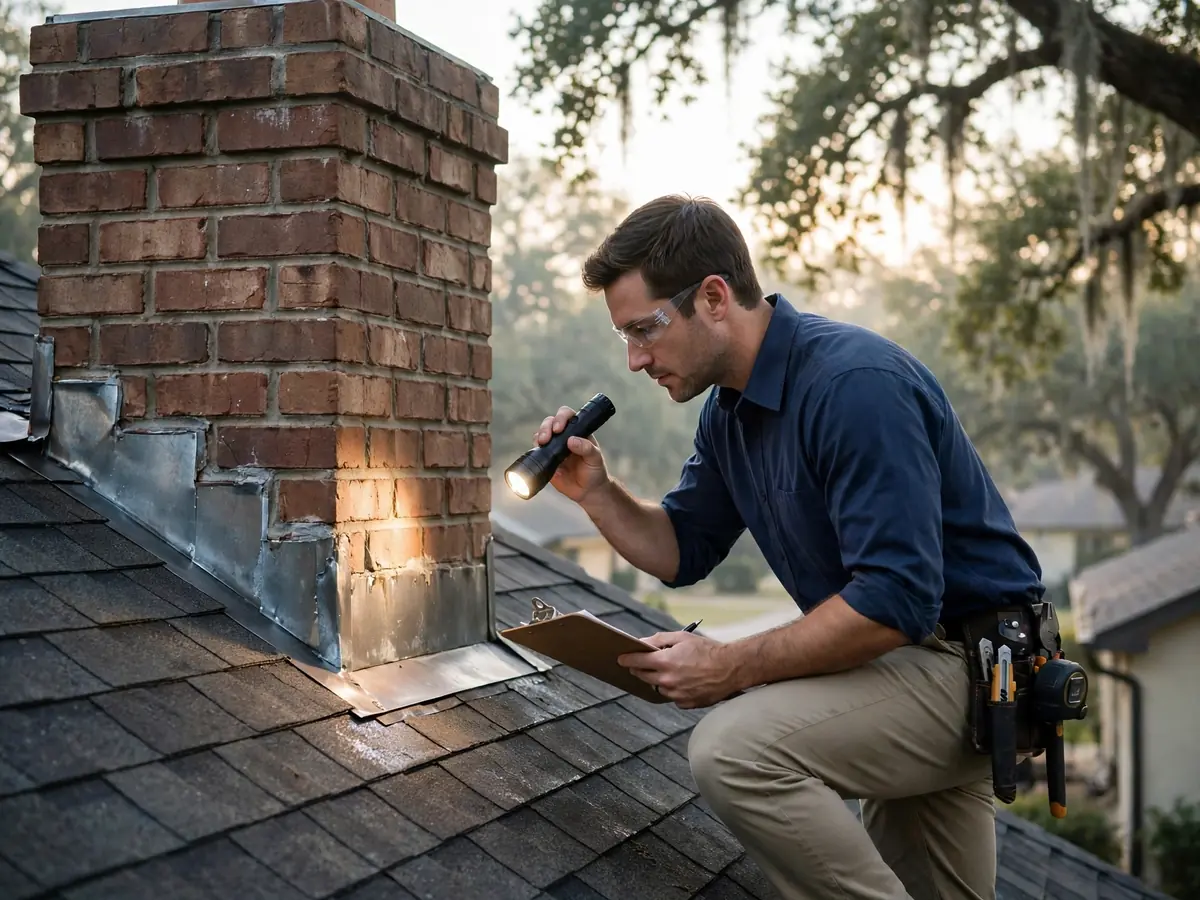
A local professional checks the roof slope, the deck and the attic, and whether the structure suits each covering.

Compare the coverings
The findings are laid out for metal and for shingles — how each would handle the slope, the shape and the weather.
Decide from the findings
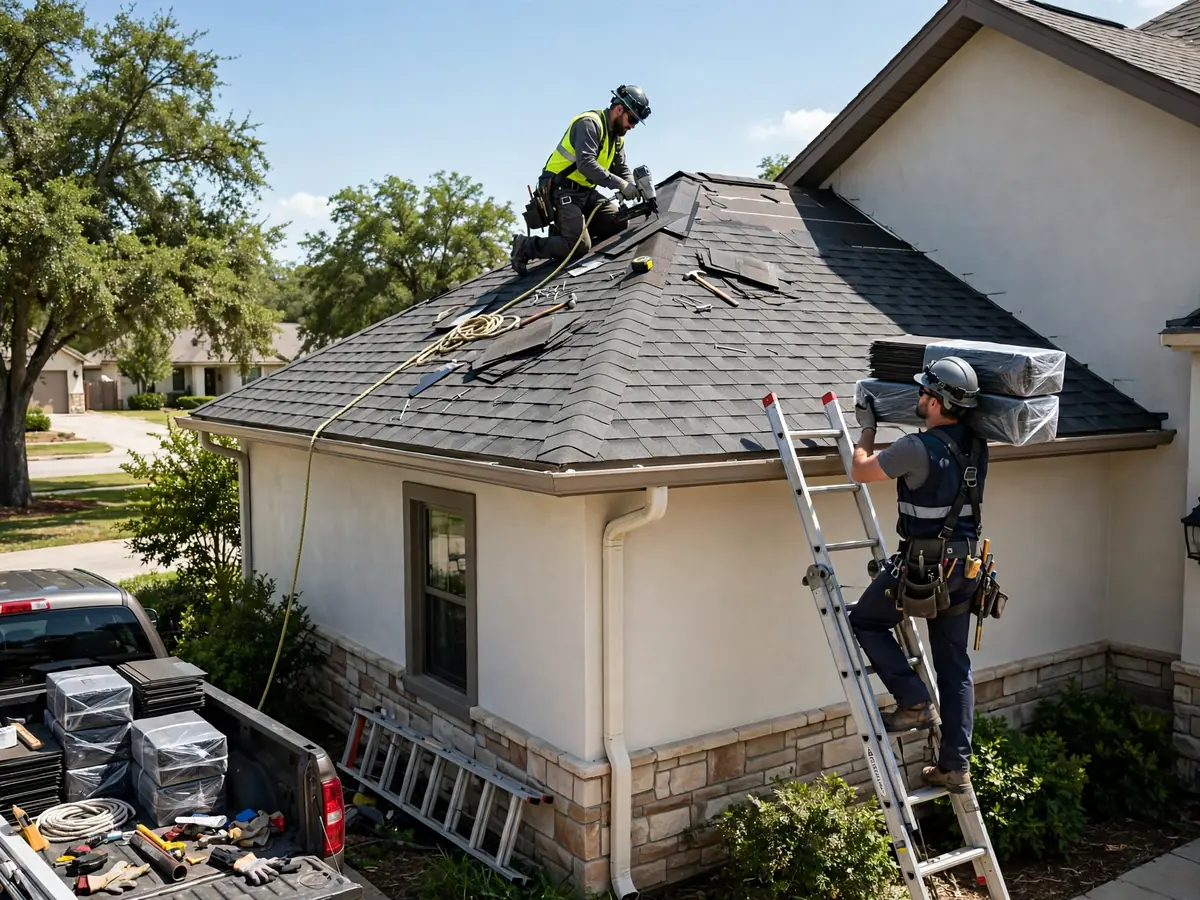
The covering is matched to the roof, not to the catalogue. Slope and shape decide; the inspection gives the read.
Plan and carry out the work
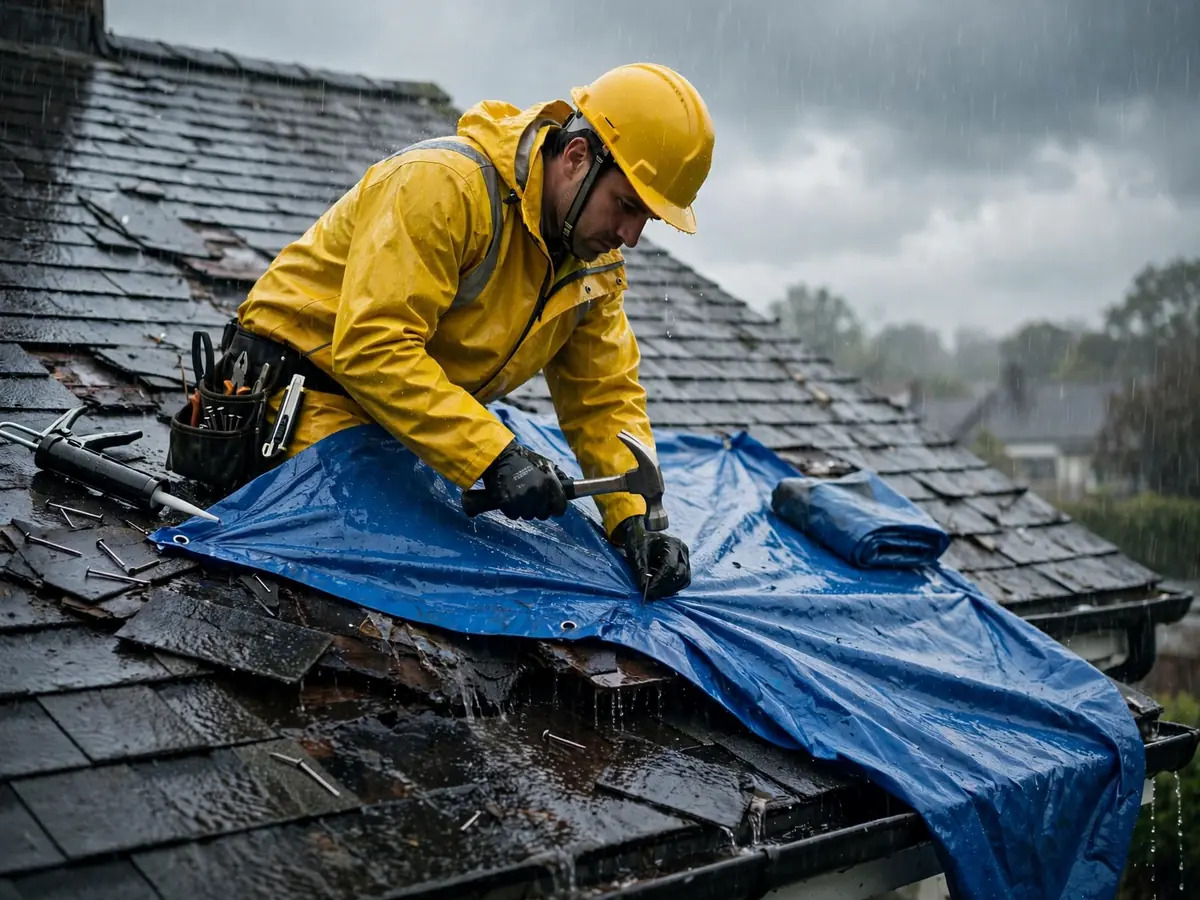
The plan is explained before anything is agreed, and the work follows the plan — panels or shingles, as the roof calls for.
Frequently asked questions
Straight answers to the questions Elizabeth area homeowners ask most about this guide.
Each suits a different roof. Metal stands up to wind and hail on steep, simple roofs; shingles suit most Elizabeth homes and are repaired a course at a time. The inspection of your roof gives the read.
It suits steep-slope roofs well. Low-slope roofs and complex shapes need their own plan — the inspection of your roof's slope and shape gives the answer.
A metal roof over a deck with underlayment and attic insulation sounds much like any other roof in the rain. The layers beneath the panels do the quieting.
Hail bruises shingles and cracks the mat beneath, and the bruise leaks months later. Hail dents a metal panel, and a dent that holds water ages faster than the flat panels around it.
Yes — large hail dents metal panels. A dent is cosmetic: the panel still sheds water, and the dent is a mark on the surface, not a hole through it. The inspection checks the seams, fasteners, and penetrations after hail, because those are the parts that let water in.
Metal, by a wide margin: a metal roof commonly lasts 40 to 70 years in New Jersey, while architectural shingles last 18 to 25 years in New Jersey summer heat and hail. The panels outlast the details, though — fasteners, seams, and sealant still need a look over the years.
Roof question in the Elizabeth area?
Call now — we will connect you with an independent local roofing professional for an inspection and a clear plan.
Call NowTalk to a local roofing professional
One call connects you with a local professional for Elizabeth, Newark and the metro around them. Describe your roof — what you are seeing, where the problem shows, and when it started — and the visit is arranged from there.
Mon–Fri 7:00 AM–10:00 PM ET · Sat 8:00 AM–10:00 PM ET · Sun 7:00 AM–9:00 PM ET
Service area
Elizabeth · Newark · Linden · Rahway · Union · Hillside · Roselle · Roselle Park · Bayonne · Jersey City
Elizabeth Roofing Pros is a referral service connecting customers with local roofing professionals; it is not itself the service company.