Do I Need a Permit to Replace My Roof in New Jersey?
In New Jersey, replacing the covering on a detached one- or two-family home is ordinary maintenance and needs no permit — but commercial roofs, multi-family buildings and structural work do. Here is where the line sits.
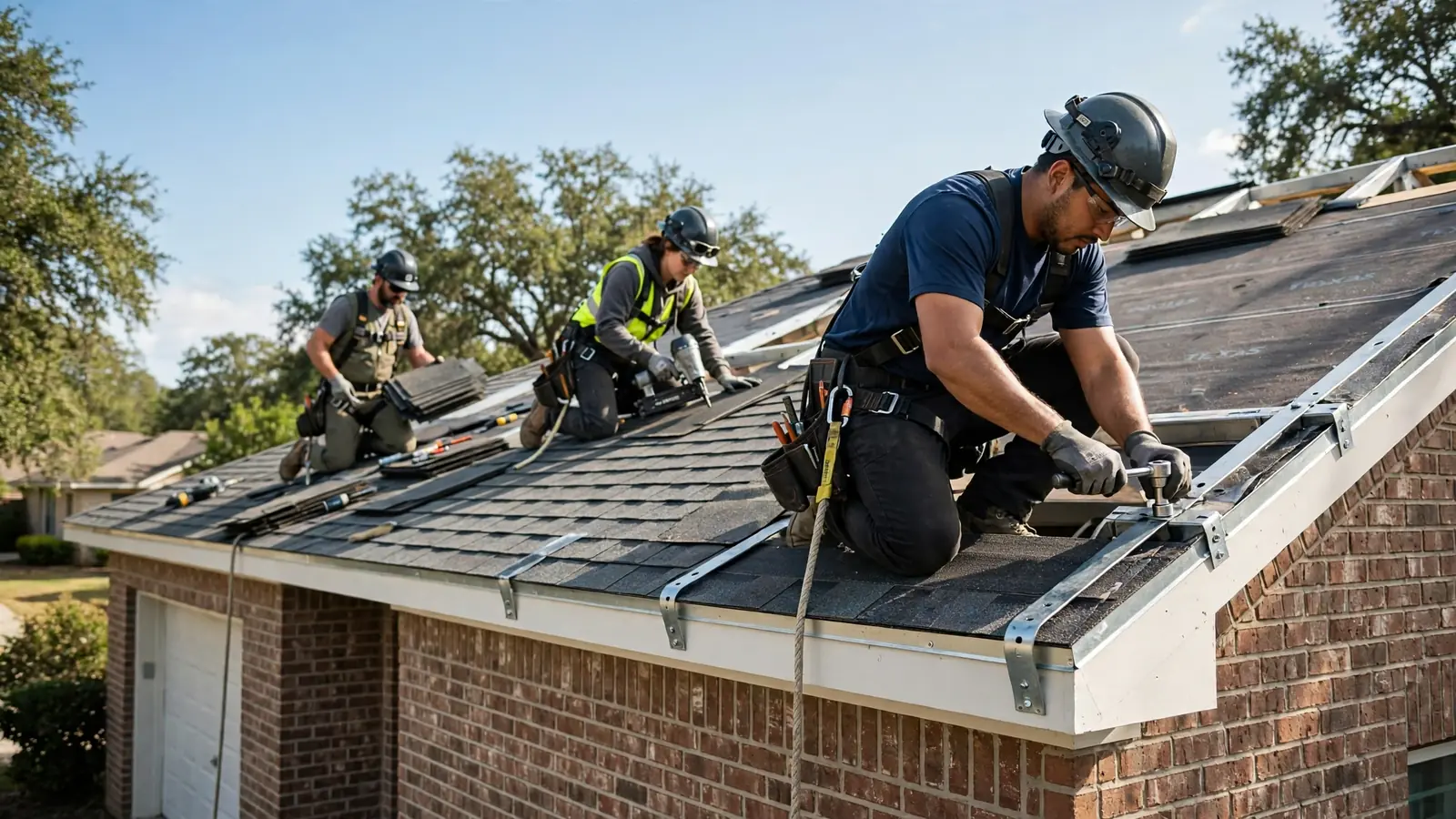
The short version
Problem: New Jersey's permit rule for roofing is the opposite of what most homeowners expect — a standard re-roof on a detached home needs no permit, while other roofs do.
Solution: know which side of the line your roof sits on before the work is planned, and check with the municipal construction office where the rule is unclear.
When to call: when a re-roof is being planned, so the permit question is part of the plan from the start.
New Jersey's permit rule for roofing surprises most homeowners, because it runs the other way from the rule in many states. Under the state's Uniform Construction Code, the repair or replacement of the existing roof covering on a detached one- or two-family home counts as ordinary maintenance — and ordinary maintenance needs no permit application at all. That is the rule in N.J.A.C. 5:23-2.7, the state's ordinary maintenance list, clarified by the Department of Community Affairs in 2018.
That exemption has edges, and the edges are where the trouble sits. It covers the covering — shingles, tile, membrane, underlayment and flashing — on a detached one- or two-family home. It does not cover structural work, it does not cover commercial buildings, and it does not cover multi-family buildings with three or more units. This guide explains each one plainly — what needs a permit, what does not, and what it means for a roof.
The guide is an explainer, not legal advice. The permit question is handled as part of the roof plan, and the plan is explained before anything is agreed.
When no permit is needed
For a detached one- or two-family home, a standard re-roof needs no permit in New Jersey. The covering comes off, the new covering goes on, and the work is ordinary maintenance under N.J.A.C. 5:23-2.7 — no application, no notice to the construction official, no inspection to close. The same applies to a repair of the covering on the same kind of home: patching a leak, replacing a handful of shingles, sealing a flashing joint.
The word detached matters here. If the home shares a wall with another unit — a townhome, a duplex that shares a wall, an attached rowhouse — the exemption may not apply to the building. The code limits the carve-out to detached structures, and an attached home needs the question asked, not assumed.
No permit does not mean no standard. Even when no permit is required, all roofing work in New Jersey must comply with the Uniform Construction Code — the minimum standards for materials, installation, wind uplift resistance and fire ratings. The code still applies; only the paperwork is gone.
When a permit is required
A permit becomes mandatory any time the work goes beyond a simple covering replacement. The Uniform Construction Code excludes from ordinary maintenance any work that affects structural or fire safety, removes or cuts structural beams or bearing supports, or changes means of egress. For roofing, the most common triggers are structural: decking that needs replacement once the tear-off shows rot, rafters or trusses that need work, or a change in the roof's slope or structure.
For commercial buildings, multi-family buildings with three or more units, and attached residential buildings, the ordinary maintenance exemption for roof covering does not apply at all. Any roof covering replacement on those structures requires a permit, regardless of scope — and replacing more than a quarter of the roof covering on a commercial or multi-family building requires a permit and triggers the requirement to bring that roofing up to current code.
Changing the material can also change the answer. A change from shingles to tile adds weight the structure must carry, and a material change is the kind of change that needs a structural look before the work starts. The plan agreed after the inspection sets out whether the material change needs a permit for your roof.
The two-layer limit
New Jersey follows the International Residential Code's limit on roof covering layers. A re-cover — installing new shingles over the existing layer — is not permitted when the roof already has two or more layers of any type of covering. Two layers means the old covering must come off so the deck can be seen.
An overlay also hides the deck, so soft or rotted boards stay hidden and the next inspection cannot read them. The edge of the roof shows how many layers are there: look at the drip edge and count the covering edges, or ask the inspection to read it from the attic.
What the permit covers
The permit covers the re-roof itself — the replacement of the covering, and the deck, underlayment and flashing work that goes with it. It is the municipality's record that the work was done, and it is the record a buyer or a later inspector will look for when the house changes hands.
The permit does not cover the roof's condition, and it does not promise anything about the roof's future. It is a record of the work, not a judgement of it. The judgement of the roof's condition comes from the inspection, and the inspection is a separate step.
Where the permit comes from
When a permit is required, the process runs through the municipality's local construction office — in Elizabeth, the city's construction department. The application describes the scope: tear-off, decking repair as needed, underlayment, and the new roof system. The office has the final word for the property, and the requirements and the timing are the municipality's own.
New Jersey has 565 municipalities, and they have latitude to layer additional requirements on top of the state minimum. A town can ask for more than the state rule calls for, and the local office is the place to ask. The rule is the same everywhere: check the address first, and ask the office that holds the jurisdiction.
What the tear-off can change
The tear-off can change the answer. A re-roof that starts as ordinary maintenance — covering off, covering on, no structural work — can cross into permitted work the moment the tear-off shows rotted or damaged decking that needs replacement. The decking is structural, and replacing it needs a permit even on a detached single-family home.
That is why the inspection before the work matters. The attic check — daylight through the boards, damp or stained wood, soft spots underfoot — gives a read on the deck before the tear-off begins, and the plan names the decking work the tear-off may show. A plan that names it is a plan that is ready for it; a plan that does not is a plan that stops when the rot shows.
Attached homes and rowhouses
Elizabeth carries many attached homes — rowhouses and two-family houses that share a wall — and the ordinary maintenance exemption is written for detached homes. An attached home needs the question asked, not assumed: the municipal construction office says whether the exemption applies to the building, and the plan follows the office's answer.
The shared wall is also the reason the question matters. Work on one attached home touches the building beside it — the flashing at the shared wall, the parapet between two roofs, the drainage that serves both. The inspection reads the shared details on every visit, because a roof that shares a wall shares its problems too.
The record the permit leaves
The permit, where one was needed, is the municipality's record that the work was done to the code — and it is the record a buyer or a later inspector will look for when the house changes hands. A re-roof without the permit it needed is a re-roof that will need to be dealt with later, when the house is sold or the next inspection comes around.
The record is kept with the roof record: the permit, the inspection notes, the photographs and the storm date, in one place. The next inspection or the next sale has the papers in hand, and nothing is argued from memory.
How the rules fit the roof plan
The permit question is part of the roof plan from the start, not added at the end. The plan agreed after the inspection sets out the work — tear-off, deck, underlayment, flashing, covering — and the rules that apply to it, so the homeowner knows what is being done and what the rules call for before anything is agreed.
That is the point of this guide: the rules are not a surprise at the end of the job. They are part of the plan, explained in plain words, with the findings behind them.
What to do, step by step
Call and describe the roof
Say where the house sits and what work is being planned — a re-roof, a repair, or a roof at the end of its life.
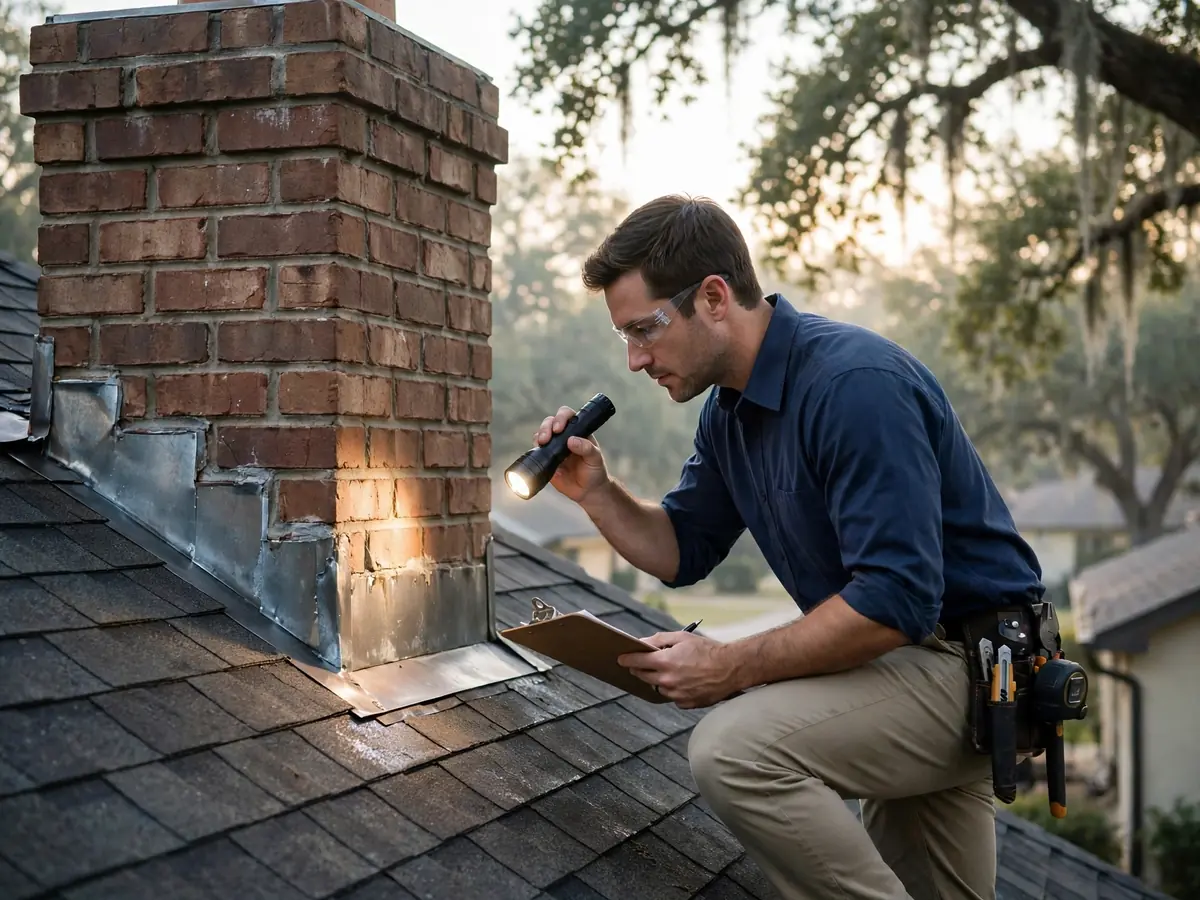
Inspection of roof and place
A local professional checks the roof and notes what kind of building it is — detached home, attached home, multi-family, or commercial.

Set out the rules
The plan sets out whether a permit is needed for your roof — and which office holds the jurisdiction — before the work is agreed.
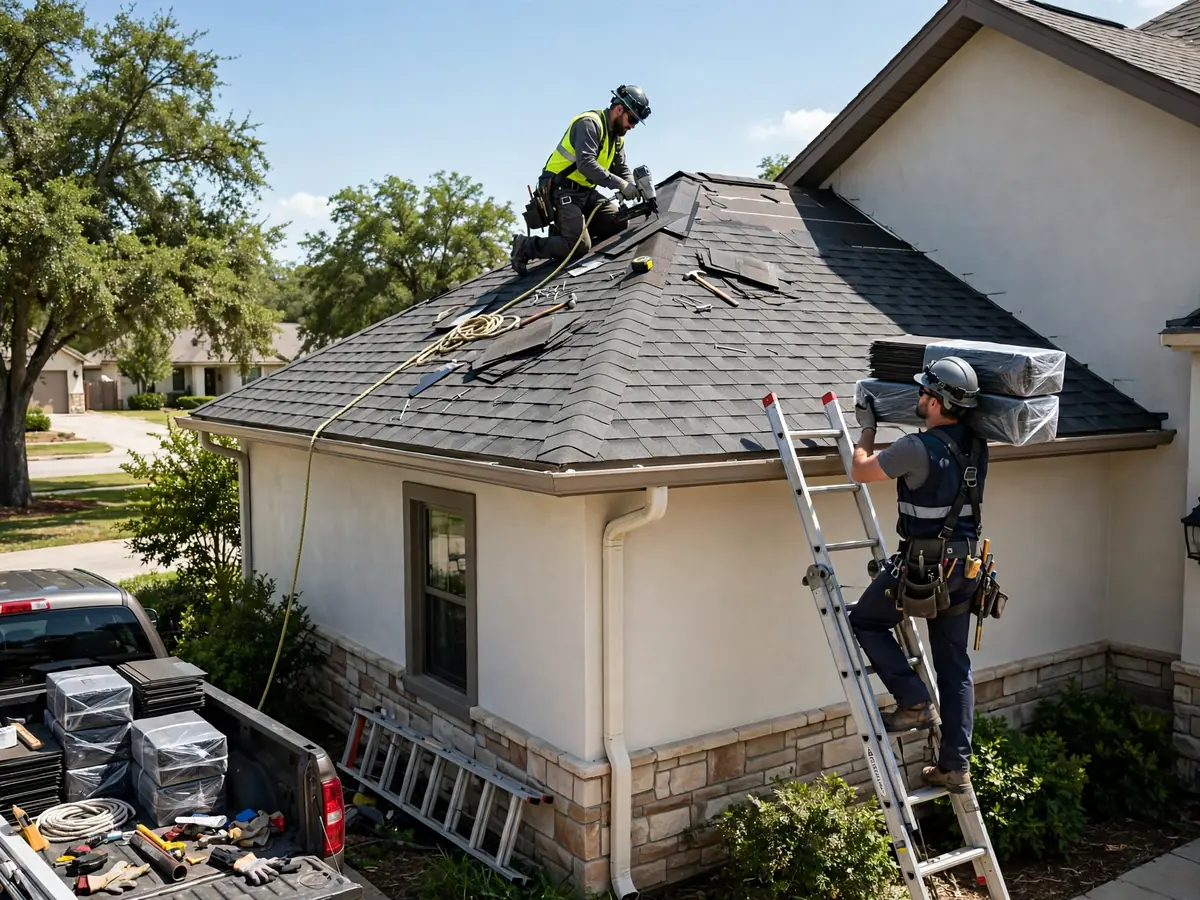
Carry out the work
The work follows the plan, with the permit handled as part of it where one is needed, not added at the end.
Keep the record
The permit, where one was needed, is kept with the roof record, so the next inspection or the next sale has the papers in hand.
Frequently asked questions
Straight answers to the questions Elizabeth area homeowners ask most about this guide.
For a detached one- or two-family home, no — replacing the roof covering is ordinary maintenance under N.J.A.C. 5:23-2.7 and needs no permit. Commercial buildings, multi-family buildings with three or more units, attached homes and structural work do need one.
Work the Uniform Construction Code lists as maintenance that needs no permit application — including the repair or replacement of existing roof covering on detached one- and two-family dwellings. It covers the covering, not structural work.
When the work goes beyond the covering — decking replacement, structural work, a change of slope — or when the building is commercial, multi-family with three or more units, or attached. Replacing more than a quarter of the covering on a commercial or multi-family building needs a permit too.
Yes, when the roof already has two or more layers of any type of covering — a re-cover is not permitted then, and the old covering must come off. An overlay also hides the deck, so soft or rotted boards stay hidden and the next inspection cannot read them.
No — it is an explainer of the rules as they are generally understood. The plan for your roof sets out which rules apply to it, and the local construction office has the final word for the property.
The city's construction department — the municipal construction office holds the jurisdiction for the address, and the plan agreed after the inspection names which office to ask.
Roof question in the Elizabeth area?
Call now — we will connect you with an independent local roofing professional for an inspection and a clear plan.
Call NowTalk to a local roofing professional
One call connects you with a local professional for Elizabeth, Newark and the metro around them. Describe your roof — what you are seeing, where the problem shows, and when it started — and the visit is arranged from there.
Mon–Fri 7:00 AM–10:00 PM ET · Sat 8:00 AM–10:00 PM ET · Sun 7:00 AM–9:00 PM ET
Service area
Elizabeth · Newark · Linden · Rahway · Union · Hillside · Roselle · Roselle Park · Bayonne · Jersey City
Elizabeth Roofing Pros is a referral service connecting customers with local roofing professionals; it is not itself the service company.